








Hardware Review

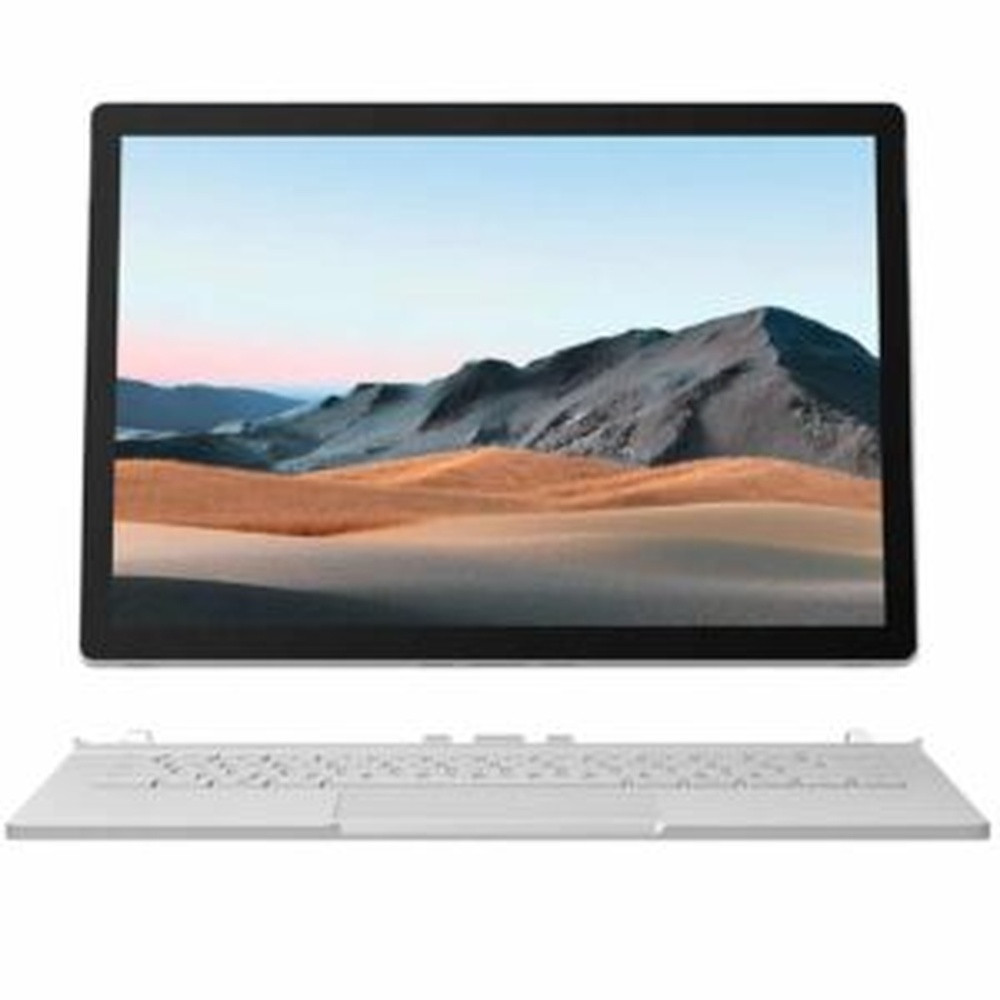
Microsoft Surface Pro 7 | Core i5 10th Gen 1035G4 | 8GB RAM 256GB SSD | 12.3″ PixelSense Touch | Detachable Laptop | 1 Month Warranty
PKR 60000

Lenovo ThinkPad Yoga 260 | Intel Core i5 6th Gen | 8GB RAM 256GB SSD | 12.5″ Touch 2-in-1 Display | 1 Month Warranty
PKR 40000
📚 Related Articles
The Verdict (TL;DR)
The Microsoft Surface Pro 7 wins on performance, display clarity, and future‑proofing thanks to its 10th‑generation processor and premium PixelSense screen. The Lenovo ThinkPad Yoga 260 offers a solid, budget‑friendly 2‑in‑1 experience but lags behind in speed and thermal efficiency. For most Pakistani users who need a versatile device that can handle multitasking and creative work, the Surface Pro 7 provides the better overall value despite the higher price tag.
Why This Comparison Matters in Pakistan
Pakistan’s laptop market is characterized by a blend of price‑sensitive consumers and a growing segment of professionals who demand high productivity on the go. Many buyers still rely on older hardware because of limited access to the latest models, yet the rapid expansion of digital services, e‑learning platforms, and remote work has created a need for devices that can keep up with modern software demands. The Surface Pro 7 and ThinkPad Yoga 260 sit at opposite ends of this spectrum, representing the premium‑detachable class and the affordable 2‑in‑1 niche respectively. Understanding how each device aligns with local purchasing power, after‑sales support, and the typical usage patterns of Pakistani students and entrepreneurs is essential for making an informed decision.
Another crucial factor is the prevalence of localized software and language support. Microsoft’s ecosystem, including Office 365, OneDrive, and the Windows 10/11 operating system, is deeply integrated into Pakistani business workflows. The Surface Pro 7 runs the full Windows experience with native support for Urdu keyboards and right‑to‑left script, which translates into smoother document creation and collaboration. Conversely, Lenovo’s ThinkPad Yoga 260, while also running Windows, often ships with older driver packages that may require manual updates to work seamlessly with local peripherals such as Pakistani‑market USB‑C hubs and regional Wi‑Fi routers.
Finally, the economic realities of power outages and extreme summer heat cannot be ignored. Devices that consume less power, have robust battery life, and can tolerate temperatures above 40 °C are more suitable for daily use in cities like Karachi, Lahore, and Islamabad where load‑shedding is common. The Surface Pro 7’s newer processor architecture is designed for better power efficiency, while the ThinkPad Yoga 260’s older Intel Skylake chip, though reliable, tends to draw more current under load, potentially shortening battery endurance during prolonged black‑out periods. By comparing these two laptops side‑by‑side, Pakistani shoppers can weigh the trade‑offs between cost, performance, and resilience in a challenging environment.
Detailed Specifications Comparison
| Feature | Microsoft Surface Pro 7 | Lenovo ThinkPad Yoga 260 | Value Assessment |
|---|---|---|---|
| Processor | Intel Core i5‑1035G4 (10th Gen, 4 cores, 1.2 GHz base, 3.7 GHz boost) | Intel Core i5‑6200U (6th Gen, 2 cores, 2.3 GHz base, 2.8 GHz boost) | Surface Pro 7 offers newer architecture, better multi‑core performance, and lower power draw. |
| RAM | 8 GB LPDDR4X (dual‑channel) | 8 GB DDR4 (single‑channel) | Both have 8 GB, but LPDDR4X on Surface is faster and more power‑efficient. |
| Storage | 256 GB PCIe NVMe SSD | 256 GB PCIe NVMe SSD | Identical capacity; performance depends on controller, Surface’s newer controller is slightly quicker. |
| Display Size | 12.3 inches | 12.5 inches | Yoga’s screen is marginally larger, but Surface’s PixelSense offers higher pixel density. |
| Resolution & Brightness | 2736 × 1824 px (267 PPI), 400 nits | 1920 × 1080 px (166 PPI), 300 nits | Surface Pro 7 delivers sharper images and better outdoor visibility. |
| Touch & Pen Support | 10‑point capacitive touch, Surface Pen (1st gen) compatible | 10‑point capacitive touch, Lenovo Active Pen compatible | Both support pens, but Surface Pen ecosystem is more mature with lower latency. |
| Form Factor | Detachable 2‑in‑1 (tablet + Type Cover) | Convertible 2‑in‑1 (360° hinge) | Detachable offers tablet‑first experience; convertible is sturdier for lap use. |
| Weight | ≈ 770 g (without Type Cover) | ≈ 1.4 kg (with keyboard attached) | Surface is significantly lighter, enhancing portability. |
| Battery Capacity | ≈ 43 Wh, up to 10 hours real‑world | ≈ 45 Wh, up to 8 hours real‑world | Surface’s newer CPU yields longer endurance despite slightly smaller battery. |
| Ports | 1 × USB‑C, 1 × USB‑A, 3.5 mm audio jack, Surface Connect | 2 × USB‑A, 1 × Mini‑DP, 1 × HDMI, 3.5 mm audio jack, 1 × micro‑SD | Yoga offers more legacy ports; Surface relies on adapters for HDMI/DP. |
| Operating System | Windows 10 Home (upgradeable to Windows 11) | Windows 10 Pro (upgradeable to Windows 11) | Both are upgradable; Pro edition on Yoga adds business features. |
| Warranty | 1 Month (standard retailer warranty) | 1 Month (standard retailer warranty) | Both have limited warranty; extended service plans are advisable. |
| Price (PKR) | 60,000 | 40,000 | Surface costs 20,000 PKR more but brings newer tech and lighter design. |
Design & Build Quality Face-Off
The Microsoft Surface Pro 7 embraces a minimalist, premium aesthetic that feels more like a tablet than a traditional laptop. Its magnesium‑alloy chassis is both thin (≈ 8.5 mm) and lightweight, giving it a sleek silhouette that slips easily into a backpack or messenger bag. The detachable Type Cover, sold separately, adds a tactile keyboard experience without compromising the tablet’s slim profile. Edge‑to‑edge glass protects the 12.3‑inch PixelSense display, while the built‑in kickstand offers four adjustable angles, allowing users to find an ergonomic viewing position whether they are typing, drawing, or watching media. The overall impression is one of refined engineering aimed at mobility‑first professionals.
In contrast, the Lenovo ThinkPad Yoga 260 follows the classic ThinkPad design language, featuring a robust aluminum‑reinforced chassis and a rubberized palm rest that enhances grip during extended typing sessions. Its 360‑degree hinge enables seamless transition between laptop, tent, stand, and tablet modes, providing a versatile form factor for presentations and collaborative work. The Yoga 260 is slightly bulkier, with a thickness of around 15 mm and a weight that exceeds 1.4 kg when the keyboard is attached, making it less convenient for pure tablet use. Nevertheless, the solid build quality, reinforced corners, and spill‑resistant keyboard give it a durability advantage in rugged environments.
When it comes to durability under Pakistani conditions—dust, humidity, and occasional rough handling—the ThinkPad Yoga’s reinforced chassis may hold an edge. However, the Surface Pro 7’s sealed design reduces the number of moving parts, which can translate into fewer points of failure over time. Both devices meet MIL‑STD‑810G standards for vibration and shock, but the Surface’s detachable nature means the keyboard can be replaced independently if it suffers damage, whereas the Yoga’s integrated keyboard is part of the main chassis