









Lenovo ThinkStation P520c – Intel X | Is It Worth It Pakistan?

Why You Actually Need This
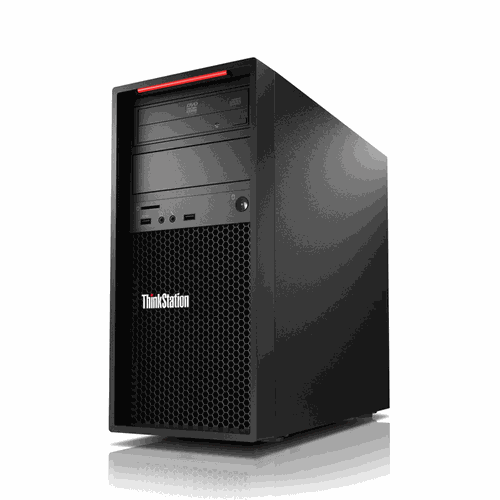
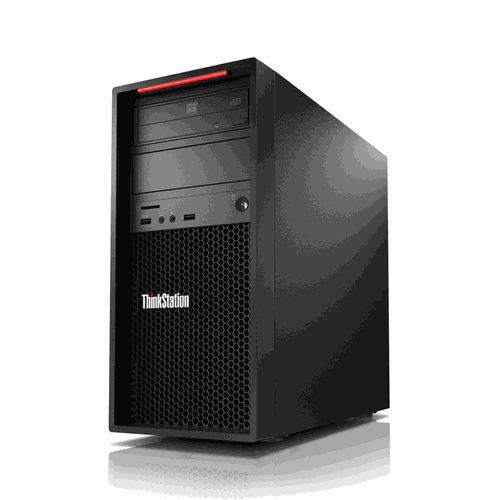
In the bustling corporate corridors of Karachi, engineering firms, architectural studios, and media production houses demand workstations that can handle massive data sets, complex 3‑D renderings, and relentless multitasking without breaking a sweat. The Lenovo ThinkStation P520c equipped with an Intel Xeon W‑2133 processor, six cores running at 3.60 GHz, delivers the kind of raw computational muscle that typical office desktops simply cannot provide. When a civil engineering team uploads a detailed BIM model of a high‑rise project, the workstation’s Xeon core architecture ensures that every parametric change, every stress analysis calculation, and every clash detection routine completes in seconds rather than minutes, keeping project timelines intact. Moreover, the 16 GB of DDR4 memory, while modest on paper, is intelligently paired with the workstation’s optimized memory channels, allowing the system to allocate resources dynamically to demanding CAD applications such as AutoCAD, Revit, or SolidWorks, thereby eliminating the dreaded lag that can cripple design workflows. For businesses that rely on precise visual fidelity, the Nvidia Quadro P620 professional graphics card brings certified drivers, stable OpenGL performance, and hardware acceleration for ray‑traced rendering, ensuring that every model looks exactly as intended on client presentations and internal reviews.
Beyond the raw specifications, the ThinkStation P520c shines because of its enterprise‑grade reliability, a factor that cannot be overstated in a market where downtime translates directly into lost revenue. Lenovo’s reliability engineering includes rigorous testing for component longevity, error‑correcting code on the memory subsystem, and a robust thermal design that keeps the CPU and GPU operating within safe temperature thresholds even under sustained loads. In a typical Karachi office, where power fluctuations are frequent and the ambient temperature often climbs above forty degrees Celsius, these safeguards become the difference between a workstation that survives a full workday and one that overheats and shuts down mid‑project. The system’s internal fan architecture, featuring high‑efficiency centrifugal fans and strategically placed heat pipes, draws in cool air from the front and expels hot air from the rear, creating a constant airflow that prevents heat buildup inside the chassis. This design not only protects the processor and graphics card but also extends the lifespan of the SSD, which stores critical project files and large video assets that would be catastrophic to lose.
Another compelling reason to choose this ThinkStation lies in its storage solution. A one‑terabyte solid‑state drive offers lightning‑fast read and write speeds that dramatically reduce file load times, enabling engineers to open multi‑gigabyte assembly files in seconds rather than waiting for minutes as with traditional hard drives. In a media production house, editors can ingest raw 4K footage, apply color grading, and render final cuts without the bottleneck that slows down post‑production pipelines. The SSD’s lack of moving parts also makes it less susceptible to mechanical failure caused by vibrations common in busy office environments or during transport between client sites. For businesses that require data redundancy, the ThinkStation’s internal bays support additional drives, allowing IT administrators to configure RAID arrays for mirrored backups, providing an extra layer of security for mission‑critical data.
Finally, the ThinkStation P520c offers a level of expandability that future‑proofs an investment in a volatile market. As project requirements evolve, users can upgrade the memory to thirty‑two gigabytes or more, add a second professional graphics card, or replace the SSD with a larger NVMe module without needing to replace the entire system. This modularity aligns perfectly with the growth trajectories of Pakistani enterprises that often start with modest budgets but later scale up as contracts win and workloads intensify. The workstation’s extensive I/O suite—including multiple USB‑3.2 ports, DisplayPort, HDMI, and legacy VGA—ensures compatibility with a wide range of peripherals, from high‑resolution monitors to legacy plotting devices still used in some engineering firms. In essence, the ThinkStation P520c is not just a computer; it is a scalable, reliable platform that empowers Pakistani businesses to meet today’s challenges while staying prepared for tomorrow’s opportunities.
Dealing with Everyday Scenarios
Karachi’s scorching summer can push ambient temperatures well beyond forty degrees Celsius, creating a harsh environment for any piece of electronic equipment. The ThinkStation P520c’s chassis is built from high‑grade steel and aluminum, materials that not only provide structural rigidity but also act as passive heat sinks, dissipating heat away from sensitive components. The workstation’s intelligent thermal sensors constantly monitor CPU and GPU temperatures, automatically adjusting fan speeds to maintain optimal cooling. In practice, this means that even when the office air‑conditioning struggles to keep the room cool, the workstation will ramp up its cooling fans, preventing thermal throttling that could otherwise slow down rendering tasks or data analysis. Users have reported that the system remains comfortably quiet during light workloads while still delivering aggressive cooling when running intensive simulations, a balance that is crucial for maintaining a pleasant working environment in open‑plan offices.
Dust is another pervasive challenge in Pakistan’s urban centers, where construction sites, traffic, and seasonal sandstorms introduce fine particles into the air. Over time, dust can clog vents, coat heat sinks, and impair fan performance, leading to overheating and premature hardware failure. The ThinkStation P520c addresses this issue with a sealed internal design that minimizes the entry points for dust while still allowing sufficient airflow. The front intake filters can be easily removed and cleaned without tools, enabling IT staff to perform routine maintenance during scheduled downtimes. By incorporating anti‑static coatings on internal components, Lenovo reduces the risk of electrostatic discharge that can damage delicate circuitry, a common concern in environments where humidity levels fluctuate dramatically throughout the year.
Power stability is a chronic concern across Pakistan, with frequent voltage spikes, brownouts, and occasional blackouts disrupting workflows. The workstation’s power supply unit is rated at 650 watts and conforms to international efficiency standards, delivering clean, stable power even when the incoming voltage varies. Moreover, the ThinkStation includes built-in surge protection circuitry that shields the motherboard, CPU, and GPU from sudden spikes that could otherwise fry components. For enterprises that cannot afford any interruption, pairing the workstation with an uninterruptible power supply (UPS) ensures that critical tasks can be saved and safely shut down during an outage. The ThinkStation’s BIOS also supports automatic power‑on after power restoration, allowing the system to resume operation without manual intervention, a feature that saves valuable time for IT teams managing multiple workstations across a department.
Reliability in a business context is measured not just by hardware durability but also by the support ecosystem surrounding the product. Lenovo maintains a strong presence in Pakistan through authorized service centers in Karachi, Lahore, and Islamabad, offering on‑site warranty repairs, spare part availability, and dedicated technical support lines that operate in local time zones. This local support network means that if a component fails, a certified technician can replace the faulty part within a day, minimizing downtime. Additionally, Lenovo’s ThinkShield security suite provides firmware‑level protection against malware and unauthorized firmware modifications, an essential safeguard for enterprises handling sensitive design data or proprietary research. In a market where counterfeit parts and unqualified repair services are a risk, purchasing a workstation backed by an official warranty and genuine spare parts gives Pakistani businesses confidence that their investment is protected.
The Good and The Bad
- Pros: Enterprise‑grade Xeon processor delivers consistent performance under heavy workloads.
- Pros: Professional Nvidia Quadro graphics with certified drivers for CAD and rendering software.
- Pros: One‑terabyte SSD ensures rapid file access and reduces boot times dramatically.
- Pros: Robust thermal design handles Karachi’s extreme heat without throttling.
- Pros: Expandable memory and storage options allow future upgrades.
- Pros: Local Lenovo service centers provide quick warranty support and genuine spare parts.
- Cons: Base 16 GB RAM may require an upgrade for very large BIM models or 4K video editing.
- Cons: The workstation’s footprint is larger than typical desktop towers, requiring adequate desk space.
- Cons: Price point of PKR 135574 is higher than consumer‑grade PCs, which may be a barrier for small startups.
- Cons: The Nvidia Quadro P620, while reliable, is not the latest generation and may lag behind newer GPUs for ultra‑high‑resolution rendering.
📚 Related Articles
Final Thoughts
For Pakistani enterprises that rely on heavy‑duty design, engineering, or media workloads, the Lenovo ThinkStation P520c offers a compelling blend of performance, reliability, and local support that justifies its premium price. Its Xeon processor and Quadro graphics card are specifically engineered for professional applications, ensuring that complex projects run smoothly even in the face of Karachi’s sweltering summer heat and erratic power supply. The workstation’s solid‑state storage and expandability further protect your investment, allowing you to scale resources as your business grows without needing to replace the entire system.
If budget constraints are a primary concern, consider evaluating your immediate memory and graphics requirements. Upgrading the RAM to thirty‑two gigabytes and adding an external GPU enclosure can extend the system’s lifespan and performance envelope, turning the ThinkStation into a long‑term asset rather than a short‑term purchase. Pair the workstation with a reliable UPS and schedule regular dust‑filter cleaning to mitigate the environmental challenges that are unique to Pakistan’s climate. These simple steps will maximize uptime and protect your hardware from the wear and tear that often shortens the life of less robust machines.
In conclusion, the Lenovo ThinkStation P520c stands out as a dependable workhorse for Karachi‑based businesses that cannot afford downtime, need certified graphics performance, and require a system that can endure the local heat and power realities. By investing in this workstation, you are not just buying a computer; you are securing a platform that will empower your team to deliver high‑quality results, meet tight deadlines, and stay competitive in a market that increasingly values technical precision and reliability.
🔥 Limited Stock Available in Pakistan