









Hardware Review

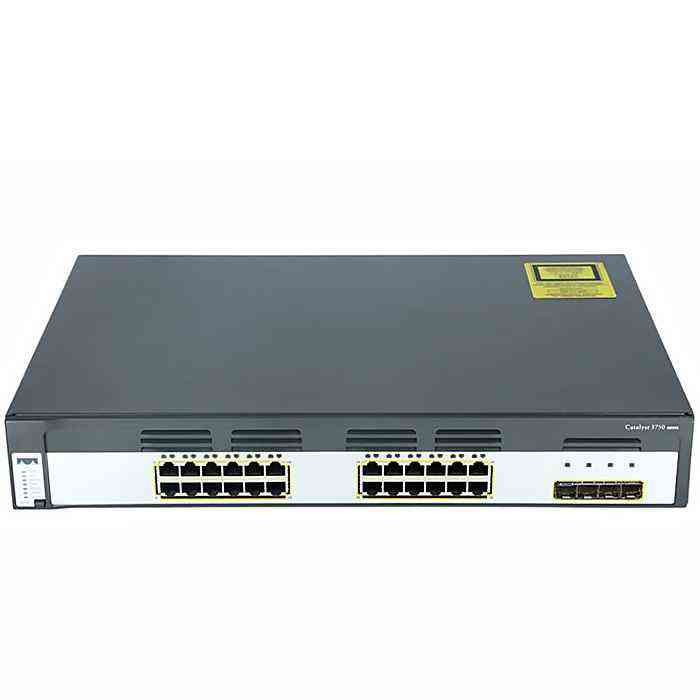
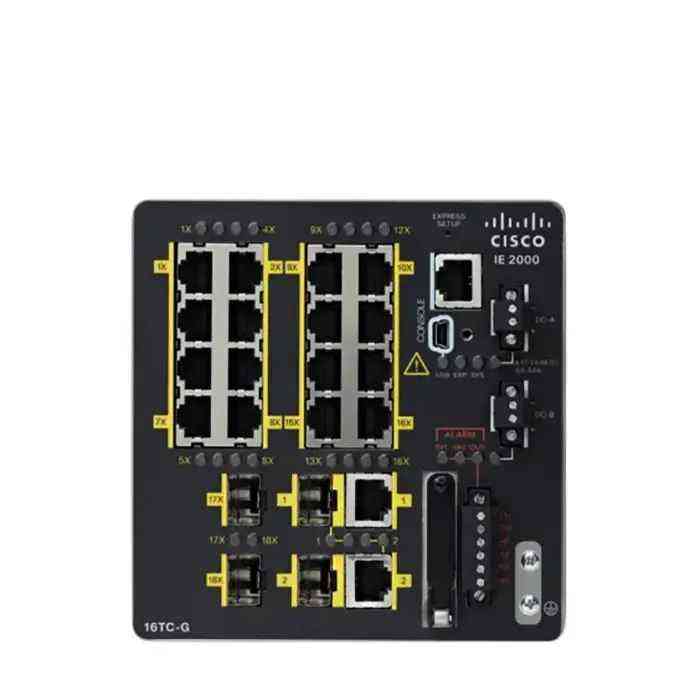
Cisco WS-C3750G-24TS-S Network Switch – 24 Ports, Gigabit, Layer 3
PKR 41470
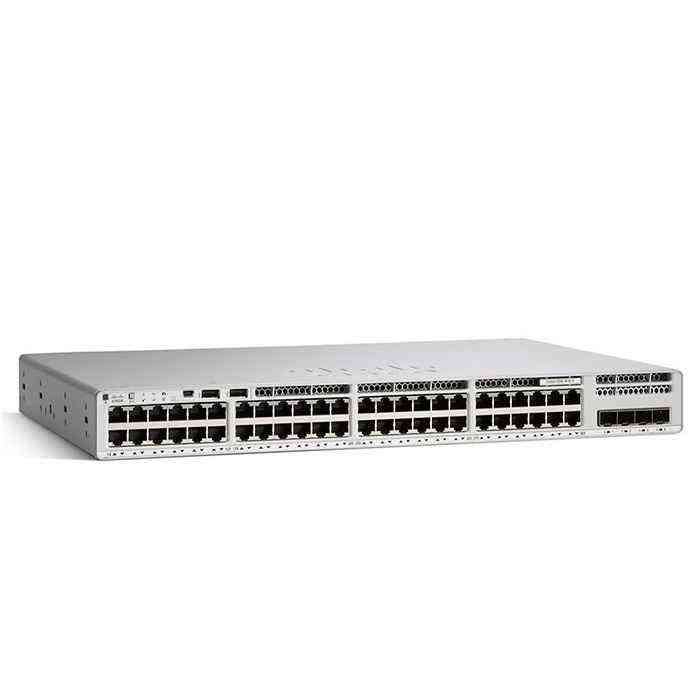
Cisco C9200-48P-E Network Switch – 48x Gigabit PoE+, 4x 1/10/25G Uplinks
PKR 1206400
The Verdict (TL;DR)
For small‑to‑medium enterprises that need a cost‑effective, reliable Layer 3 switch without PoE, the WS‑C3750G‑24TS‑S is the clear winner. Large campuses, data‑center edge, or any deployment that demands high PoE power, 25 Gbps uplinks, and advanced security features should opt for the C9200‑48P‑E despite its premium price. In short, choose the 3750G for budget‑centric, static routing environments and the C9200‑48P‑E for future‑proof, power‑intensive, high‑performance networks.
Why This Comparison Matters in Pakistan
Pakistan’s networking landscape is undergoing a rapid transformation driven by the convergence of several macro‑economic and technological forces. First, the country’s burgeoning digital economy—spurred by a young, tech‑savvy population and a government push toward e‑governance—has created a surge in demand for robust campus and branch office networks. Enterprises ranging from financial institutions in Karachi to educational campuses in Lahore are expanding their IT footprints, and the choice of a core or distribution switch directly influences both capital expenditure (CAPEX) and operational expenditure (OPEX). In this context, a detailed side‑by‑side comparison of Cisco’s legacy 3750 series and the newer Catalyst 9200 series equips decision‑makers with the data needed to align network design with budget realities, while still delivering the performance required for modern applications such as video conferencing, cloud services, and IoT deployments.
Second, Pakistan’s unique environmental and infrastructural challenges shape purchasing decisions in ways that differ from many Western markets. The country experiences prolonged periods of high ambient temperature—often exceeding 40 °C in the summer months—combined with frequent power fluctuations and load‑shedding events that can last several hours per day in certain provinces. Network equipment must therefore be resilient to heat, capable of operating on limited or intermittent power, and able to recover quickly after an outage without extensive manual re‑configuration. Cisco’s switches, especially those with redundant power supplies and advanced fan control, are designed with these constraints in mind, but the cost‑benefit trade‑off between a single‑supply 3750G and a dual‑supply C9200‑48P‑E becomes a critical factor for Pakistani IT managers.
Finally, the regulatory environment and local market dynamics influence the total cost of ownership. Import duties on networking hardware can add 30 %–40 % to the sticker price, and the availability of skilled technicians familiar with Cisco IOS versus IOS XE varies across regions. The 3750G, being a mature platform, enjoys a larger pool of local expertise and a wealth of third‑party firmware patches, which can reduce support costs. Conversely, the C9200‑48P‑E brings newer software‑defined networking (SD‑N) capabilities that align with Pakistan’s upcoming smart‑city initiatives, but it also demands more specialized knowledge for optimal deployment. Understanding these market nuances helps buyers justify the higher upfront investment in a C9200‑48P‑E when the long‑term strategic benefits outweigh the immediate financial outlay.
Detailed Specifications Comparison
| Feature | Cisco WS-C3750G-24TS-S | Cisco C9200-48P-E |
|---|---|---|
| Model Number | WS‑C3750G‑24TS‑S | C9200‑48P‑E |
| Port Count (Copper) | 24 × 10/100/1000BASE‑T | 48 × 10/100/1000BASE‑T (PoE+) |
| Uplink Slots | 2 × SFP (1000BASE‑X) | 4 × 1/10/25 Gbps (SFP+/RJ45 combo) |
| Power over Ethernet | None | PoE+ (IEEE 802.3at), 30 W per port, total budget 740 W |
| Layer Capability | Layer 3 (static routing, RIP, OSPF, EIGRP) | Layer 2/3 (full IOS XE, MACsec, SD‑Access, routing protocols) |
| Stacking Technology | StackWise, up to 9 switches, 32 Gbps stack bandwidth | StackWise‑1600, up to 8 switches, 160 Gbps stack bandwidth |
| Switching Capacity | 128 Gbps | 480 Gbps |
| Forwarding Rate | 95 Mpps | 357 Mpps |
| Power Supply | 1 × 350 W AC (non‑redundant) | 2 × 350 W AC (redundant) – optional |
| Dimensions (W × D × H) | 44.5 mm × 280 mm × 444 mm | 44.5 mm × 280 mm × 444 mm |
| Weight | 4.5 kg | 6.5 kg |
| Operating Temperature | 0 °C – 50 °C | 0 °C – 55 °C |
| Warranty (Standard) | 1‑Year Limited | 1‑Year Limited |
| Price (PKR) | 41,470 | 1,206,400 |
Design & Build Quality Face-Off
The Cisco WS‑C3750G‑24TS‑S follows a classic 19‑inch rack‑mount form factor that has been a staple of Cisco’s enterprise portfolio for over a decade. Its chassis is constructed from high‑impact ABS plastic with metal reinforcement at the mounting ears, delivering a balance between durability and weight. The front panel hosts a clear LED status matrix for each of the 24 copper ports, two SFP slots, and a small LCD that displays basic system health. The cooling system relies on a single, low‑profile fan that draws air from the rear and exhausts it forward, a design that works well in moderate climates but can become a bottleneck when ambient temperatures climb above 35 °C. Because the switch only houses a single power supply, any power interruption forces an immediate shutdown, which can be mitigated by an external UPS but adds to the overall cost of ownership.
In contrast, the Cisco C9200‑48P‑E showcases a more modern, modular design that reflects the evolution of Cisco’s Catalyst 9000 family. The enclosure is built from a reinforced steel frame with a polymer front cover that houses an expanded LED array, providing granular visibility for PoE status, link speed, and stack health. The switch includes two hot‑swappable power supplies, each capable of delivering 350 W, allowing for seamless power redundancy—a critical feature for environments where load‑shedding is common. Its cooling architecture employs dual variable‑speed fans that automatically adjust RPM based on temperature sensors placed across the board, ensuring efficient heat dissipation even when the device operates at full PoE load in a 45 °C environment. The modularity extends to the uplink ports, which can be swapped between SFP+ and RJ45 modules, giving installers the flexibility to future‑proof the network without purchasing a new chassis.
Both devices share the same rack depth and a similar footprint, making them interchangeable in