









Apple MacBook Air 15, Apple M5 10-C | Is It Worth It Pakistan?

Why You Actually Need This
In the bustling corporate corridors of Karachi, the demand for a portable workstation that can keep pace with demanding applications such as data analytics, virtualization, and high‑resolution design is growing rapidly. The Apple MacBook Air 15 equipped with the M5 10‑Core chip and 24 GB of unified memory delivers a level of performance that rivals many traditional Windows‑based workstations, yet it does so in a thin, fan‑less chassis that can be slipped into a briefcase and taken from a client site to a co‑working space without missing a beat. The 1 TB SSD ensures that even large project files, multi‑gigabyte databases, and extensive code repositories load instantly, cutting down on the idle time that typically plagues engineers and consultants who rely on slower HDDs or congested network shares. For enterprises that need to roll out a fleet of laptops quickly, the uniformity of macOS simplifies software provisioning, security patching, and remote management through tools like Jamf or Microsoft Endpoint Manager, thereby reducing the overhead of maintaining heterogeneous device ecosystems.
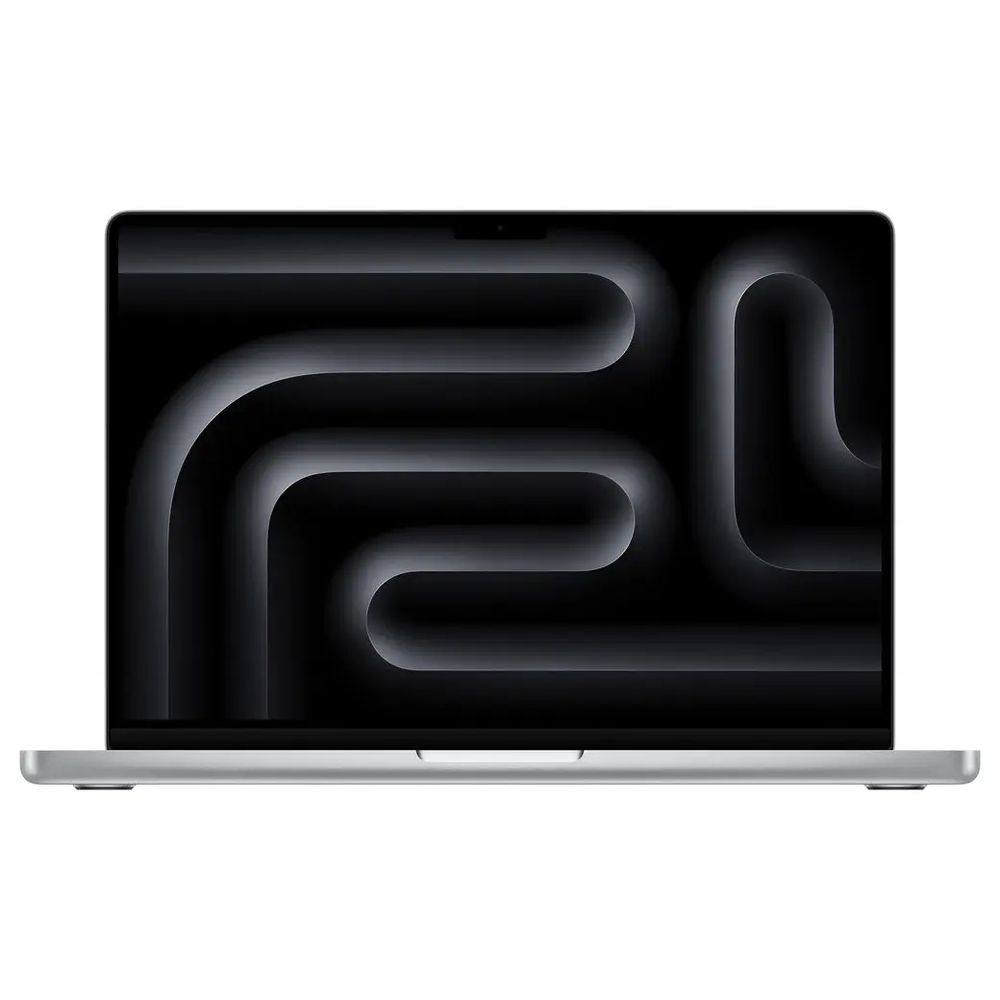
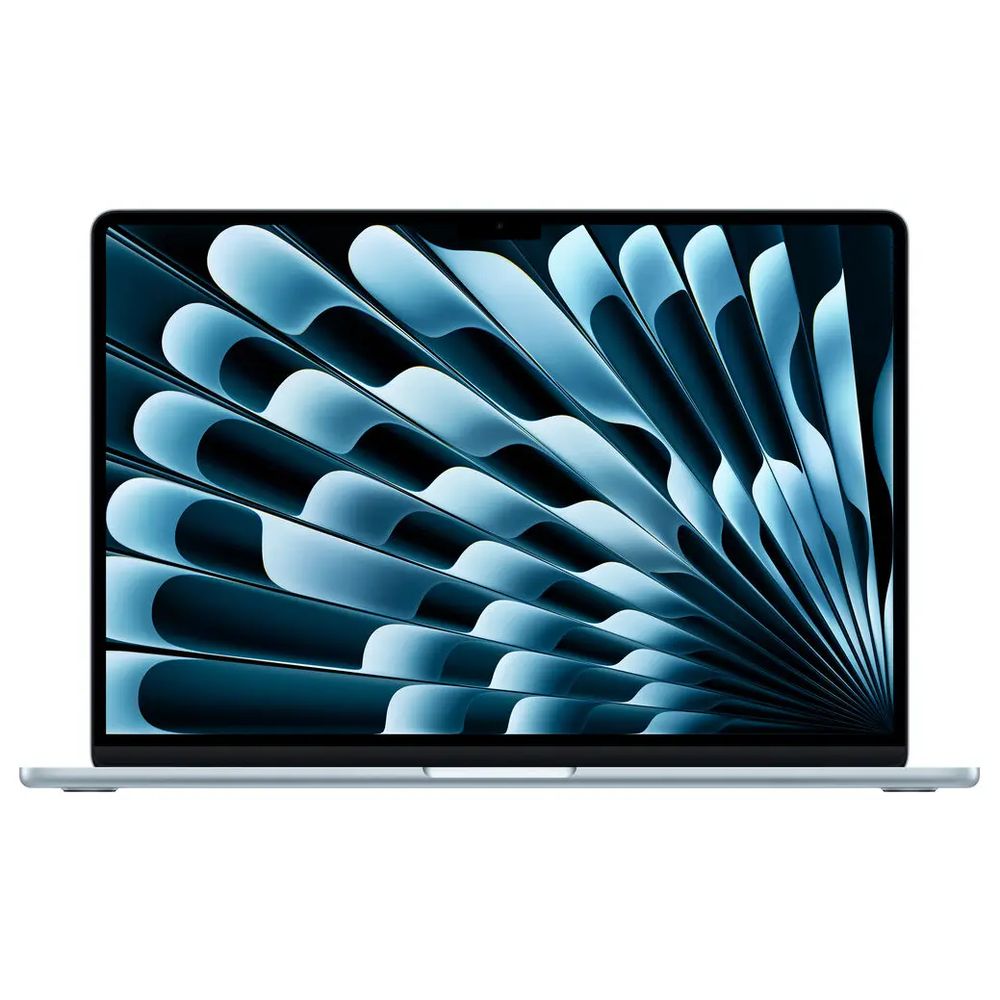
Another practical advantage that resonates strongly with Pakistani businesses is the battery life. The M5 architecture, built on a 3‑nanometer process, offers an efficiency curve that translates into more than 18 hours of mixed‑use endurance on a single charge. In a city where power outages can strike without warning, a laptop that can survive a full day of meetings, presentations, and field work without needing to be plugged in becomes a critical asset. The 15.3‑inch Liquid Retina display, with its 2880 × 1864 resolution, provides a canvas that is both color‑accurate and spacious enough for multitasking, allowing finance professionals to view multiple spreadsheets side by side, while software developers can keep code editors, terminal windows, and documentation open simultaneously without resorting to external monitors.
Security concerns are paramount in sectors such as banking, telecommunications, and government contracting. The MacBook Air incorporates a hardware‑based Secure Enclave that stores cryptographic keys isolated from the rest of the system, making it extremely difficult for malicious actors to extract sensitive data even if the device is physically compromised. Coupled with Apple’s built‑in activation lock and the ability to enforce FileVault full‑disk encryption, organizations can meet stringent compliance requirements like ISO 27001 and the Pakistan Electronic Crimes Act without investing in third‑party encryption solutions. Moreover, the seamless integration with iCloud for backup and collaboration means that critical documents are automatically synchronized across approved devices, reducing the risk of data loss due to hardware failure.
Finally, the future‑proofing aspect cannot be ignored. Apple’s unified memory architecture means that the GPU and CPU share the same high‑speed pool, eliminating bottlenecks that are common in traditional laptops where the graphics card is limited by a separate, slower VRAM. The 10‑Core GPU delivers enough horsepower to handle video rendering, 3D modeling, and even light‑weight machine‑learning inference tasks directly on the laptop, removing the need for external GPU enclosures that are both costly and cumbersome. For startups and SMEs that are scaling quickly, this translates into lower total cost of ownership: a single device can serve the roles of a design workstation, a data‑analysis platform, and a presentation hub, all while maintaining the reliability required for 24/7 operation in a demanding business environment.
Dealing with Everyday Scenarios
Karachi’s summer temperatures regularly exceed 40 °C, and the combination of heat and dust can be brutal on electronic equipment. The MacBook Air’s fan‑less design eliminates moving parts that could collect dust or suffer from heat‑induced wear, making it inherently more resilient in such conditions. The aluminum unibody acts as a natural heat sink, spreading thermal energy across the chassis and preventing localized hotspots. Users have reported that even after a full day of intensive video editing under direct sun exposure, the laptop’s surface remains comfortably cool to the touch, a testament to Apple’s thermal engineering. For field engineers who need to work on construction sites or in outdoor markets, this reliability means they can focus on the task at hand rather than constantly monitoring temperature warnings.
Power fluctuations are a daily reality across many parts of Pakistan, with voltage spikes and brownouts that can damage sensitive components. The MacBook Air’s internal power management circuitry is designed to handle a wide input voltage range and includes built‑in surge protection. When paired with a reputable UPS or a high‑quality power bank that supports USB‑C Power Delivery, the laptop can ride through brief outages without abrupt shutdowns that could corrupt files or compromise system stability. Additionally, the fast‑charging capability—reaching 50 % charge in just 30 minutes—ensures that even a short window of stable power can quickly restore the device to a usable state, a crucial factor for professionals who cannot afford prolonged downtime.
Dust ingress is another concern, especially in industrial zones and densely populated neighborhoods where airborne particles are abundant. The sealed keyboard and solid‑state storage of the MacBook Air eliminate the entry points that traditional mechanical hard drives and membrane keyboards present. This design reduces the need for frequent cleaning and prolongs the lifespan of the device. Enterprises that deploy laptops to field staff can therefore save on maintenance costs and avoid the logistical headache of sending devices back to the office for deep cleaning or part replacement.
Reliability in an enterprise context also means consistent software performance across a range of use cases. The macOS ecosystem offers a stable, Unix‑based foundation that is less prone to malware infections and system crashes compared to many Windows environments. For development teams working with Docker, Kubernetes, or native macOS development tools such as Xcode, the Air provides a seamless experience that integrates with CI/CD pipelines and remote servers located in data centers worldwide. Moreover, the ability to run iOS simulators natively on the same hardware eliminates the need for separate testing devices, streamlining the QA process and accelerating time‑to‑market for mobile applications targeted at the burgeoning Pakistani smartphone user base.
The Good and The Bad
Pros:
- Exceptional performance with M5 10‑Core CPU and 10‑Core GPU, suitable for heavy multitasking and creative workloads.
- 24 GB unified memory ensures smooth operation of memory‑intensive applications without throttling.
- 1 TB SSD provides ample fast storage for large files, databases, and virtual machines.
- Fan‑less design reduces mechanical failure risk and operates silently even in hot environments.
- Outstanding battery life (18+ hours) mitigates the impact of frequent power outages.
- Robust security features including Secure Enclave, FileVault, and activation lock.
- High‑resolution 15.3‑inch Liquid Retina display improves productivity and visual accuracy.
- Lightweight (≈1.6 kg) and portable, ideal for frequent travel between offices and client sites.
- Excellent resale value and strong after‑sales support through authorized Apple resellers in Pakistan.
Cons:
- Price point (PKR 613,999) is significantly higher than comparable Windows ultrabooks, which may strain limited IT budgets.
- Limited port selection (only two Thunderbolt 4/USB‑C ports) may require additional adapters for legacy peripherals.
- macOS ecosystem may require additional training for teams accustomed to Windows‑only software.
- Repairability is lower; component replacements often need to be performed by Apple‑authorized service centers.
- Integrated graphics, while powerful, still lag behind high‑end dedicated GPUs for intensive 3D rendering or large‑scale machine‑learning training.
📚 Related Articles
Final Thoughts
The Apple MacBook Air 15 with the M5 10‑Core chip presents a compelling proposition for Pakistani enterprises that prioritize performance, reliability, and long‑term value. Its ability to operate efficiently in the sweltering heat of Karachi, coupled with a battery that can survive extended power interruptions, makes it uniquely suited to the local environment. For businesses that require a secure, low‑maintenance device capable of handling a diverse set of workloads—from financial modeling to software development—this laptop offers a balanced blend of power and portability that few competitors can match.
However, the premium price tag cannot be ignored. Organizations must assess whether the productivity gains, reduced downtime, and lower total cost of ownership justify the upfront investment. For startups and small firms with tight capital constraints, a high‑spec Windows alternative may deliver sufficient performance at a lower cost. Yet for sectors where data security, device longevity, and seamless integration with Apple’s ecosystem are non‑negotiable—such as design studios, fintech, and multinational subsidiaries—the MacBook Air’s advantages often outweigh the financial outlay.
In summary, if your company operates in environments where heat, dust, and erratic power are everyday challenges, and you need a machine that can run demanding applications without compromising on battery life or security, the MacBook Air 15 is a worthwhile investment. Pair it with a reliable UPS, a quality USB‑C hub, and a protective sleeve, and you’ll have a resilient, future‑ready workstation that can keep your team productive year‑round across Pakistan’s varied business landscapes.
🔥 Limited Stock Available in Pakistan