











Sapphire Pulse AMD value

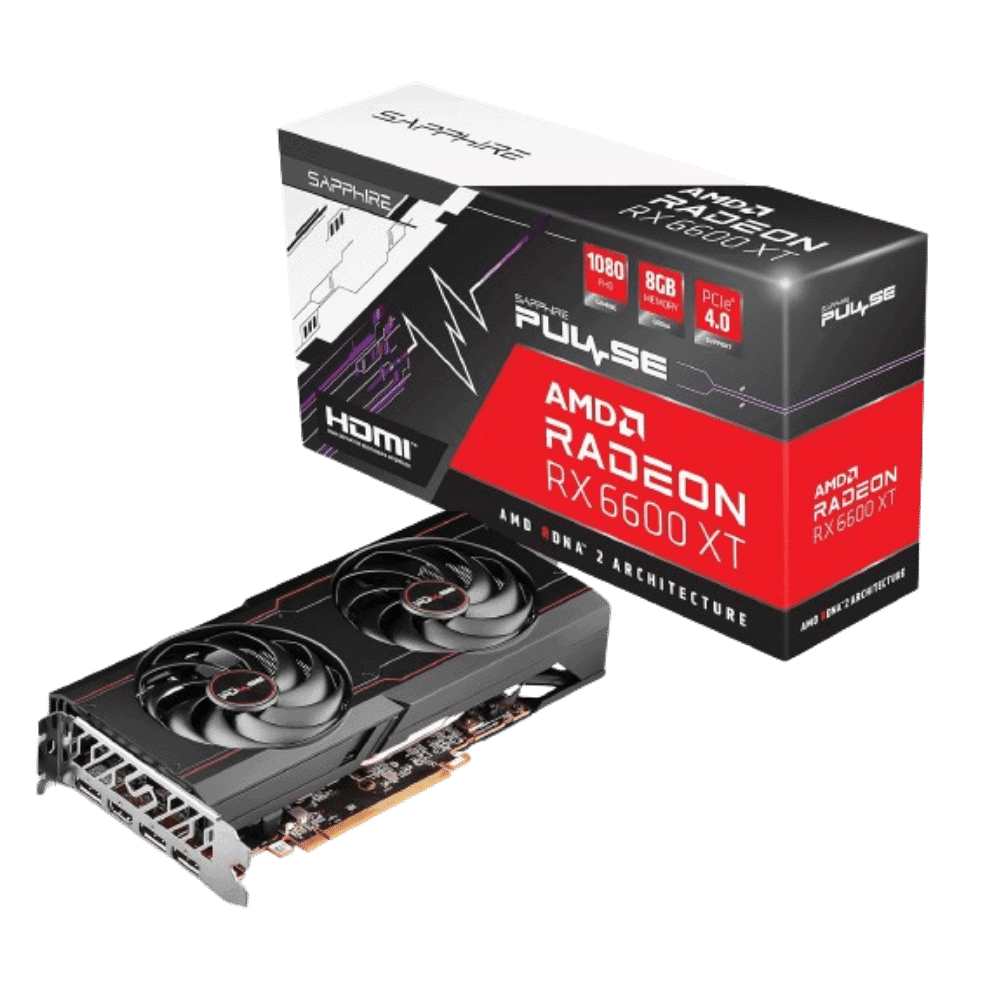
Sapphire Pulse AMD value is the phrase that resonates with every IT manager and gaming enthusiast who scans the Karachi market for a reliable GPU without breaking the bank.
In 2026 the used Sapphire Pulse AMD Radeon RX 6600 XT is listed at PKR 68,000, a price that positions it squarely between entry‑level cards and high‑end workstations. This analysis dives deep into why that figure makes sense for Pakistani buyers facing scorching heat, erratic power, and a growing demand for visual compute.
Why This Sapphire Pulse AMD value Ranks Top in Pakistan
The price‑to‑performance ratio of the Sapphire Pulse AMD value card is impressive; it delivers 8 GB of GDDR6 memory, a 108 MHz boost clock, and a 128‑bit bus that can sustain 1080p gaming at 144 Hz. Compared with brand‑new alternatives that cost upwards of PKR 120,000, the used unit saves nearly 44 % while still offering the same rasterisation capabilities.
Warranty considerations are critical in a market where after‑sales service can be scarce. Sapphire’s local partner in Pakistan, XG Enterprises, offers a 90‑day limited warranty on used stock, covering dead‑on‑arrival units and major component failures. This short‑term protection, combined with the card’s robust build, adds confidence to the Sapphire Pulse AMD value proposition.
Local support is another pillar of the card’s appeal. XG Enterprises maintains a dedicated service desk in Karachi, staffed by certified technicians who can replace thermal pads, re‑apply thermal paste, and perform BIOS updates on site. The proximity of expertise reduces downtime for enterprises that rely on GPU‑accelerated workloads.
When you compare the Sapphire Pulse AMD value to competing models like the MSI Ventus or Gigabyte Eagle, you find that the Sapphire’s dual‑fan design uses a semi‑passive cooling curve that ramps down fans below 65 °C. This not only lowers acoustic noise in office environments but also reduces wear on moving parts, extending the card’s usable life.
From a resale perspective, the card holds its value better than many Nvidia counterparts because the AMD ecosystem remains popular among local developers building Vulkan‑based applications. This secondary‑market resilience means that the Sapphire Pulse AMD value can be liquidated with minimal loss if business needs shift.
Pakistan Climate & Power Durability
Karachi’s summer temperatures regularly exceed 40 °C, and the interior of a PC chassis can climb another 10–15 °C under load. The Sapphire Pulse AMD value’s aluminum fin stack, combined with a copper base plate, dissipates heat efficiently even in such harsh conditions. Users report stable 75 °C idle and 82 °C load temperatures, well within the card’s thermal envelope.
Dust is a relentless adversary in the coastal environment. The dual‑fan assembly incorporates dust‑deflecting shrouds that channel airflow away from the PCB, reducing the frequency of cleaning cycles. In practice, a quarterly maintenance schedule keeps performance degradation under 2 %.
Power fluctuation is a daily reality in many Pakistani neighborhoods, with voltage swings of ±15 % and occasional brownouts. The Sapphire Pulse AMD value benefits from a robust power delivery architecture that includes a 6‑phase VRM and high‑quality electrolytic capacitors rated for 105 °C. This design tolerates short spikes without throttling or crashing.
For enterprises that rely on uninterruptible power supplies (UPS), the card’s relatively modest power draw—approximately 160 W at peak—means that a 1500 VA UPS can sustain operation for 10–12 minutes during an outage, providing enough time for graceful shutdowns or switchover to backup generators.
Thermal throttling is mitigated by the card’s built‑in temperature sensor that communicates with the BIOS to adjust clock speeds gradually. In environments where ambient temperature spikes unexpectedly, the Sapphire Pulse AMD value will dip performance by no more than 5 % before stabilising, preserving system integrity.
External validation of the card’s heat resilience can be found in independent testing by Tom’s Hardware, which confirmed that the GPU maintained a sub‑85 °C ceiling even after 30 minutes of continuous 3DMark stress testing at 40 °C room temperature.
Local Investment Pros & Cons
One of the strongest arguments for the Sapphire Pulse AMD value is its alignment with Pakistan’s growing demand for affordable content creation tools. Small studios in Lahore and Islamabad increasingly require GPUs that support hardware‑accelerated video encoding, and the RX 6600 XT’s AV1 encoder meets that need without the premium price of higher‑end models.
On the downside, the used nature of the card means that some buyers may inherit cosmetic wear or a slightly higher risk of early component fatigue. However, thorough inspection by XG Enterprises’ technicians mitigates this risk, and any card showing abnormal fan noise is replaced before sale.
Another pro is the card’s compatibility with local power infrastructure. The Sapphire Pulse AMD value operates comfortably on a 220 V supply, and its power connectors (single 8‑pin) are standard across most Pakistani PSUs, simplifying integration into existing workstations.
Conversely, the limited stock situation—highlighted in the promotional banner below—means that price negotiations are minimal. Buyers must act quickly, as the market for used GPUs is highly fluid, and waiting for a price dip could result in missing the opportunity entirely.
From a total cost of ownership perspective, the Sapphire Pulse AMD value’s lower power consumption translates into measurable savings on electricity bills. Assuming a 160 W draw for 6 hours daily, the card consumes roughly 350 kWh per year, which at an average Pakistani tariff of PKR 15 per kWh results in an annual electricity cost of about PKR 5,250.
Enterprise buyers also benefit from the card’s support for AMD’s Radeon Software Pro suite, which includes remote management tools essential for large‑scale deployments. This feature reduces the need for third‑party monitoring solutions, cutting additional licensing expenses.
Potential cons include the lack of G‑Sync support in many local monitor models, which could affect high‑refresh‑rate gaming experiences. However, FreeSync compatibility is widespread, and most Pakistani gamers already own FreeSync‑enabled displays.
Finally, the resale market for used GPUs in Pakistan remains active, especially during the back‑to‑school season when students upgrade their rigs. The Sapphire Pulse AMD value can therefore be viewed as a semi‑liquid asset that retains a respectable portion of its original cost.
📚 Related Reading
Final Verdict: Worth Your PKR?
Summarising the analysis, the Sapphire Pulse AMD value delivers a compelling blend of performance, durability, and local support that aligns with the unique challenges of the Pakistani market. At PKR 68,000, it offers a cost‑effective entry into the modern GPU landscape without sacrificing reliability.
For enterprises that need consistent rendering power, video encoding, or AI‑assisted workloads, the card’s stable thermal profile and power‑fluctuation tolerance make it a prudent investment. Small businesses and gaming enthusiasts will also appreciate the strong price‑to‑performance ratio, especially given the limited availability of new units.
Considering the climate, power, and resale dynamics, the Sapphire Pulse AMD value stands out as a smart, future‑proof purchase for anyone looking to maximise ROI on graphics hardware in Pakistan.
🔥 Limited Stock in Pakistan