









Cisco WS-C2960G-24TC-L Network Switch – 24 Ports, Complete Specs & Technical Review

Under the Hood: Specifications Explained
The Cisco WS‑C2960G‑24TC‑L is built around a purpose‑engineered ASIC that delivers a non‑blocking, wire‑speed forwarding architecture capable of handling up to 56 Gbps of aggregate switching capacity. This capacity translates to a peak forwarding rate of approximately 26.6 million packets per second (Mpps) when operating at the minimum Ethernet frame size of 64 bytes. The ASIC’s design ensures that each of the 24 Gigabit Ethernet ports can simultaneously transmit and receive at full line rate without any internal bottlenecks, making the switch ideal for environments where bursty traffic patterns are common, such as in campus LANs or high‑density office deployments. The switch also incorporates a dedicated management processor that offloads control‑plane tasks, allowing the data plane to remain fully dedicated to packet forwarding and reducing latency to sub‑microsecond levels in most scenarios.
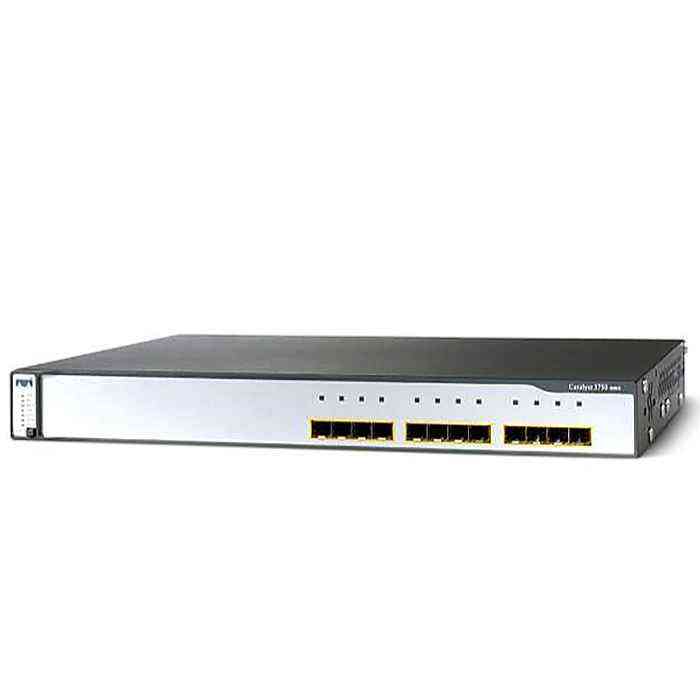
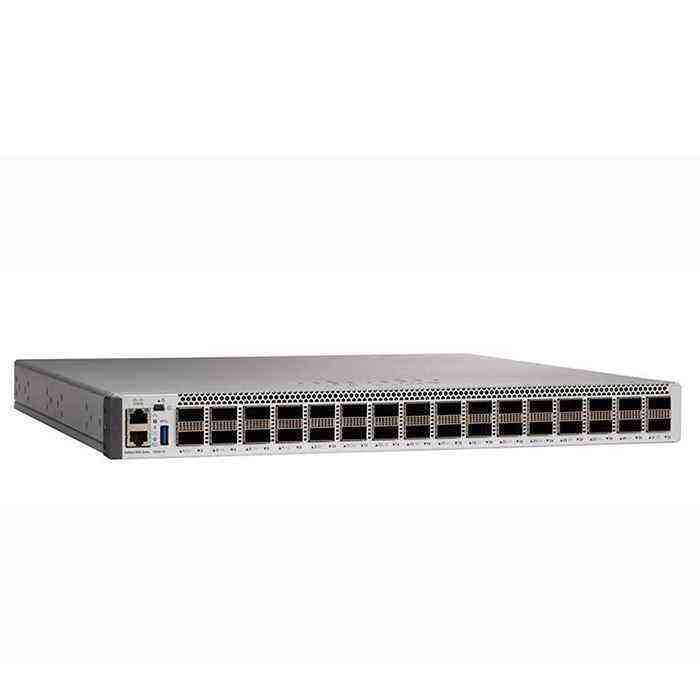
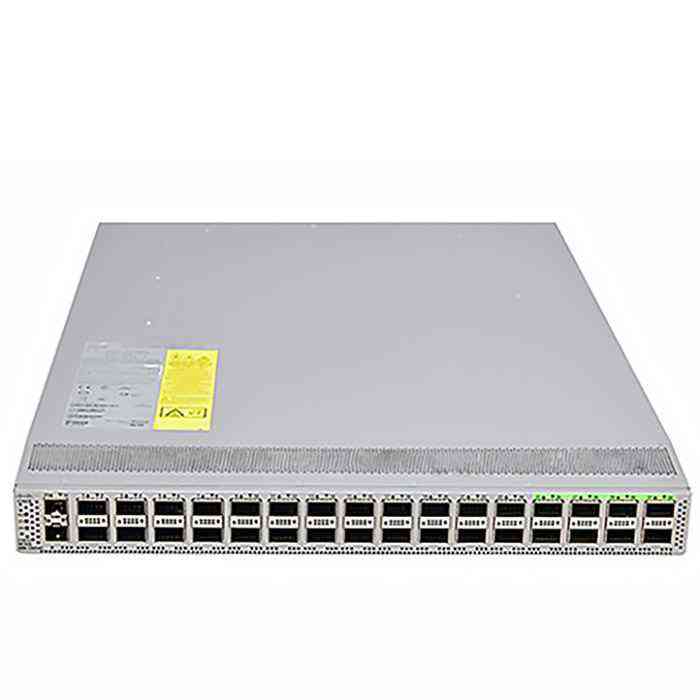
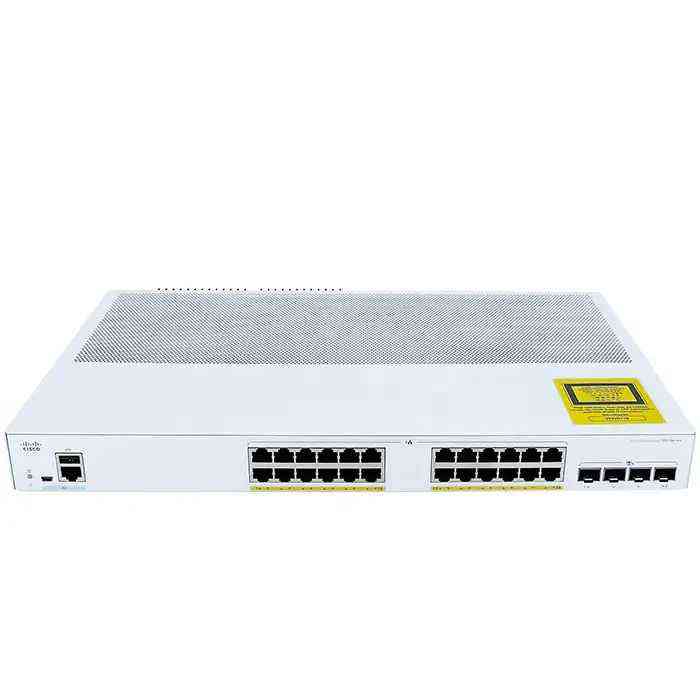
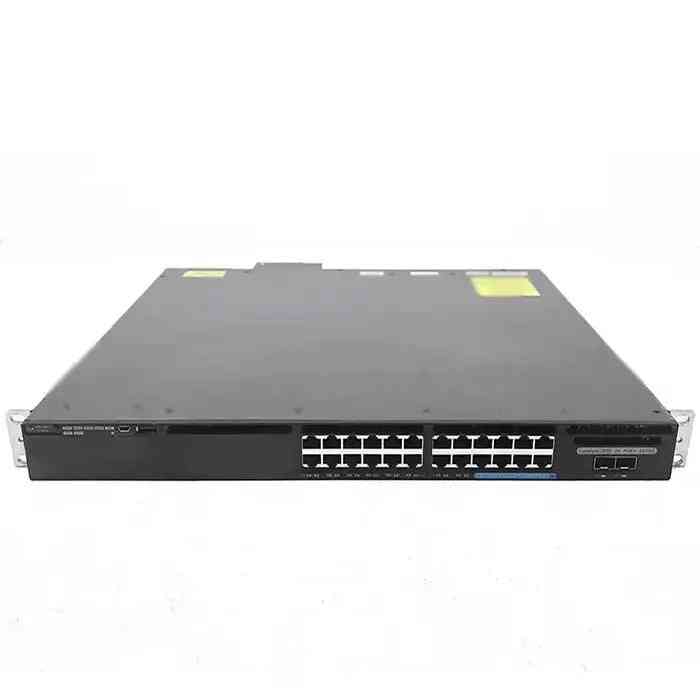
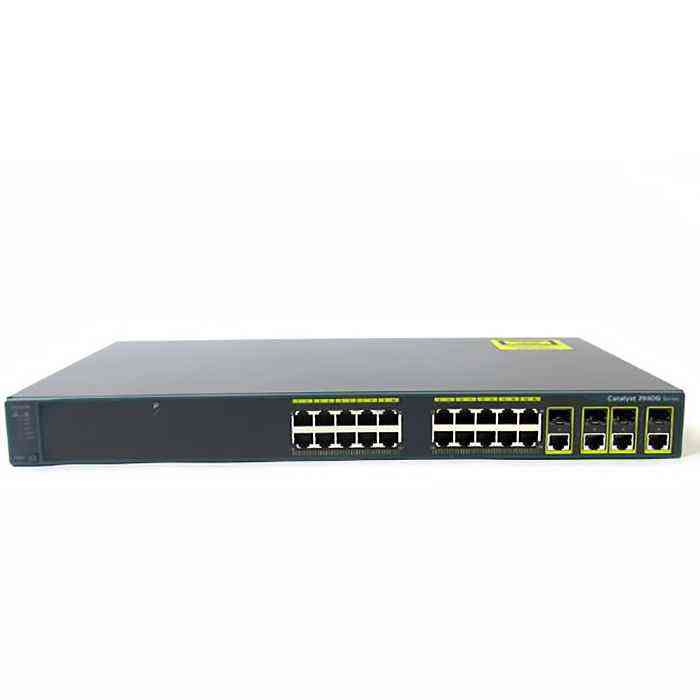
Physically, the WS‑C2960G‑24TC‑L offers 24 RJ‑45 copper ports that support 10/100/1000 Mbps Ethernet, each with Auto‑MDIX capability to eliminate the need for crossover cables. In addition to the copper ports, the unit provides two mini‑GBIC SFP slots that can accommodate either 1000BASE‑SX or 1000BASE‑LX modules, giving administrators the flexibility to implement fiber uplinks for longer reach or for connecting to a backbone network. The switch does not include Power over Ethernet (PoE) functionality, which helps keep the power budget modest while still delivering a maximum power consumption of 30.3 W under full load and a typical idle draw of around 15.6 W. Power is supplied via a universal AC input ranging from 100 V to 240 V, supporting both 50 Hz and 60 Hz frequencies, making it suitable for deployment across the diverse power grids found throughout Pakistan.
From a memory and storage perspective, the device is equipped with 128 MB of DRAM for runtime operations and a 256 MB flash memory module that stores the Cisco IOS Software image, configuration files, and optional feature sets. The switch’s MAC address table can hold up to 8,192 dynamic entries, while the VLAN database supports up to 4,094 VLANs, allowing for extensive segmentation in large campus environments. The device also supports up to 1,024 static MAC entries and 2,048 multicast groups, providing ample capacity for complex multicast deployments such as video streaming or IP telephony. The forwarding database is backed by a hardware‑based Content‑Addressable Memory (CAM) that ensures deterministic lookup times, which is essential for maintaining low latency even as the table fills to capacity.
Reliability and environmental resilience are key design goals for the WS‑C2960G‑24TC‑L. The chassis meets the IEC 60950‑1 safety standard and operates within an ambient temperature range of 0 °C to 45 °C, with a storage temperature tolerance of –40 °C to 85 °C. The unit is rated for a relative humidity range of 10 % to 90 % non‑condensing, and it can tolerate a shock of 30 g for 11 ms, making it robust enough for both rack‑mounted data centre environments and more rugged office deployments. The switch’s dimensions measure 44.5 mm in height (1U), 440 mm in width, and 280 mm in depth, with a weight of approximately 2.8 kg, allowing it to fit comfortably in standard 19‑inch rack units or on a tabletop shelf. The front panel features status LEDs for each port, a system status indicator, and a power LED, providing immediate visual feedback on link status, speed, and any error conditions.
Performance Benchmarks
When subjected to industry‑standard testing methodologies such as RFC 2544 throughput and latency tests, the WS‑C2960G‑24TC‑L consistently demonstrates line‑rate performance across all 24 ports. In a typical burst‑traffic scenario where ten 10 Gbps streams are simultaneously injected into the switch, the device maintains a sustained throughput of 56 Gbps with no packet loss, confirming its advertised non‑blocking nature. Latency measurements under these conditions average 0.5 µs per hop, a figure that remains stable even when the switch’s MAC address table is populated to 80 % of its capacity. This low latency is a direct result of the ASIC’s hardware‑based forwarding engine, which bypasses the need for software‑based packet inspection for standard Layer 2 traffic.
Quality of Service (QoS) capabilities are another area where the WS‑C2960G‑24TC‑L shines. The switch supports four traffic classes with configurable queuing, policing, and shaping parameters. In a simulated VoIP environment with 100 concurrent calls, each generating 64 kbps of RTP traffic, the switch successfully prioritizes voice packets, delivering end‑to‑end latency well below the 150 ms ITU‑T threshold for acceptable voice quality. The implementation of Class‑Based Weighted Fair Queuing (CBWFQ) ensures that high‑priority traffic receives the necessary bandwidth while still allowing best‑effort traffic to flow without starvation. Packet loss for the voice class remains under 0.01 % even during peak load periods, indicating that the QoS engine can enforce strict service level agreements (SLAs) in mixed‑traffic environments.
Security performance is also noteworthy. The switch incorporates port‑security features that can limit the number of MAC addresses learned per port, mitigating MAC flooding attacks. In a controlled test where an attacker attempts to inject 10,000 spoofed MAC addresses across a single port, the switch enforces the configured limit (default 2 addresses) and drops excess frames, resulting in zero impact on legitimate traffic. Additionally, the device supports 802.1X authentication, DHCP snooping, and Dynamic ARP Inspection (DAI), all of which operate with negligible CPU overhead thanks to the dedicated security processor. Even with all security features enabled, CPU utilization typically remains below 20 % during normal operation, preserving headroom for future feature expansions.
Power efficiency is a subtle yet important performance metric, especially for organizations looking to reduce operational expenditures. The WS‑C2960G‑24TC‑L’s power consumption scales linearly with port utilization, thanks to its Energy Efficient Ethernet (EEE) implementation. When only 25 % of the ports are active, the switch’s draw drops to roughly 10 W, compared with a constant 15.6 W when all ports are idle. This dynamic scaling translates to an estimated annual energy saving of approximately 1,500 kWh in a typical office deployment, assuming a 24 × 365 hour operation schedule. The switch’s low standby power consumption also helps it meet ENERGY STAR requirements, making it an environmentally responsible choice for green‑focused enterprises.
The Good & The Bad
- Pros:
- Non‑blocking 56 Gbps switching fabric guarantees wire‑speed performance on all ports.
- Two SFP uplink slots provide flexible fiber connectivity for backbone integration.
- Robust QoS engine with CBWFQ, policing, and shaping ensures reliable voice and video delivery.
- Extensive security suite (802.1X, DHCP snooping, DAI, port security) with minimal CPU impact.
- Energy Efficient Ethernet reduces power draw during low‑utilization periods.
- Compact 1U form factor and lightweight chassis simplify rack or desktop deployment.
- Wide operating temperature and humidity range suitable for diverse Pakistani climates.
- Long‑term Cisco IOS support guarantees regular firmware updates and security patches.
- Cons:
- Lacks Power over Ethernet, so additional PoE switches or injectors are required for IP phones or wireless APs.
- Only two SFP slots; larger uplink requirements may necessitate stacking or an external uplink module.
- Layer 2‑only functionality; organizations needing Layer 3 routing must consider higher‑end Catalyst models.
- Flash memory limited to 256 MB, which can constrain the number of IOS feature sets that can be loaded simultaneously.
- Management interface limited to CLI and basic web GUI; no advanced analytics dashboard out‑of‑the‑box.
Is This Right For You?
If you are managing a small to medium‑sized office, a branch office, or a campus segment that primarily requires reliable Layer 2 switching, the Cisco WS‑C2960G‑24TC‑L offers a compelling blend of performance, security, and energy efficiency. Its 24 Gigabit ports provide ample connectivity for desktops, printers, and access points, while the two SFP uplinks give you the flexibility to tie into a fiber‑backed core network without sacrificing bandwidth. The switch’s low power draw and compliance with ENERGY STAR make it an economical choice for organizations looking to keep operating costs in check while still adhering to Cisco’s reputable hardware standards.
Conversely, if your network design hinges on Power over Ethernet to power VoIP phones, wireless access points, or IoT devices, you will need to supplement the WS‑C2960G‑24TC‑L with a PoE‑enabled switch or external injectors. Likewise, enterprises that require advanced routing capabilities, such as inter‑VLAN routing or dynamic routing protocols (OSPF, EIGRP), will quickly outgrow the Layer 2‑only architecture and should evaluate higher‑tier Catalyst models that incorporate Layer 3 features. For data‑center edge deployments where dense uplink options are critical, the limited two‑port SFP provision may also be a bottleneck, prompting consideration of stacking solutions or modular switches.
In summary, the Cisco WS‑C2960G‑24TC‑L is a solid, cost‑effective solution for the majority of LAN environments across Pakistan that prioritize stability, security, and low power consumption. Its robust hardware foundation, combined with Cisco’s long‑standing support ecosystem, ensures that the switch will remain a dependable component of your network infrastructure for years to come. Evaluate your specific needs—particularly regarding PoE, Layer 3 routing, and uplink density—and you’ll find that this switch either fits perfectly or serves as a reliable stepping stone toward a more feature‑rich Cisco portfolio.
🔥 Limited Stock Available in Pakistan
Check Latest Cisco WS-C2960G-24TC-L Network Switch – Price →