









TP-Link Omada SG3452P Managed Gigabit Switch Buying Guide | Is It Worth It Pakistan?

Why You Actually Need This
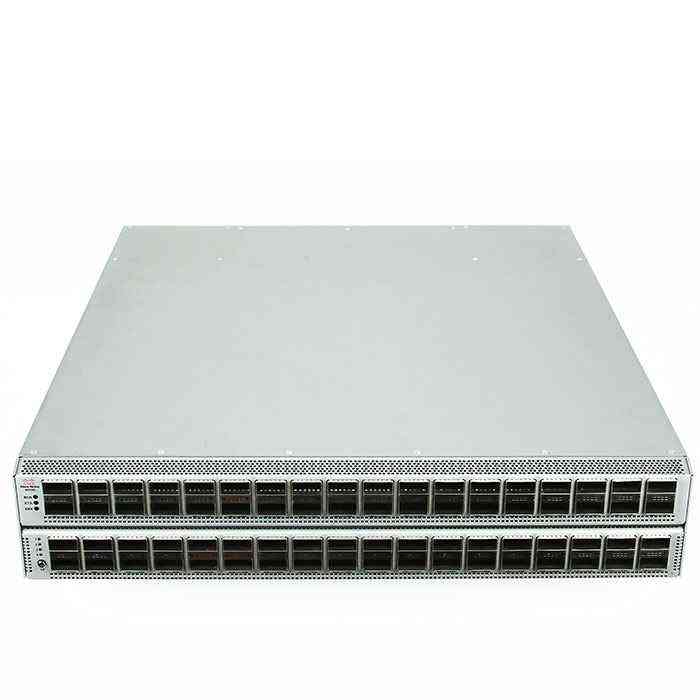
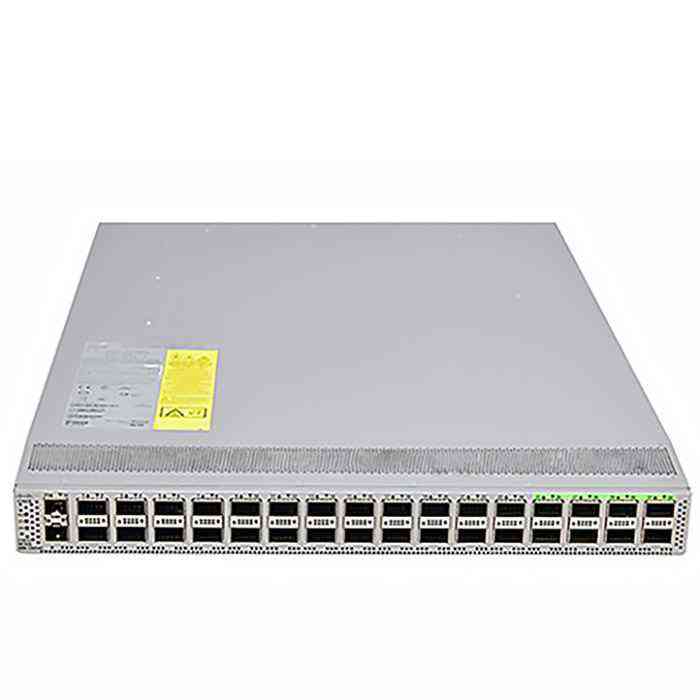
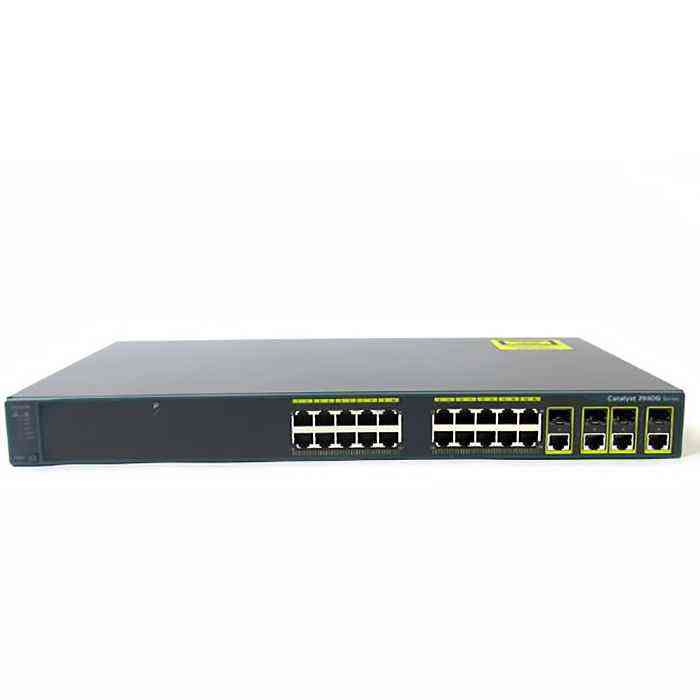
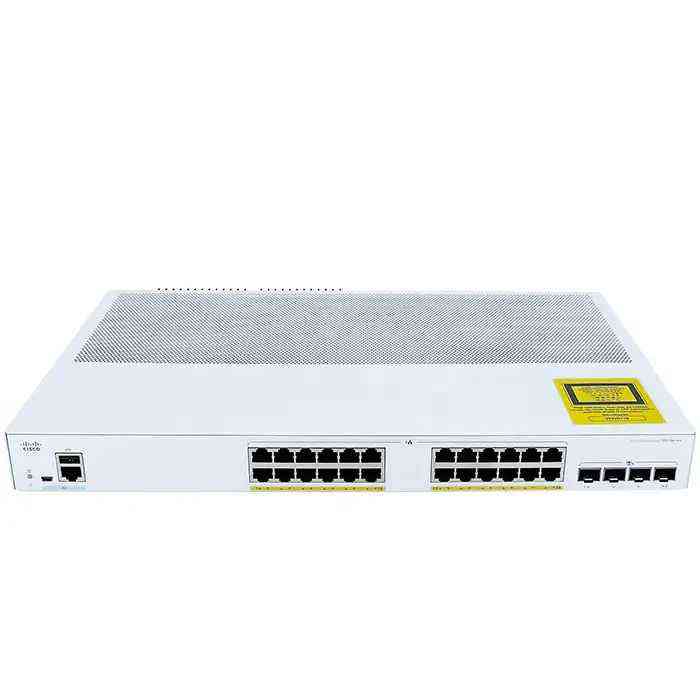
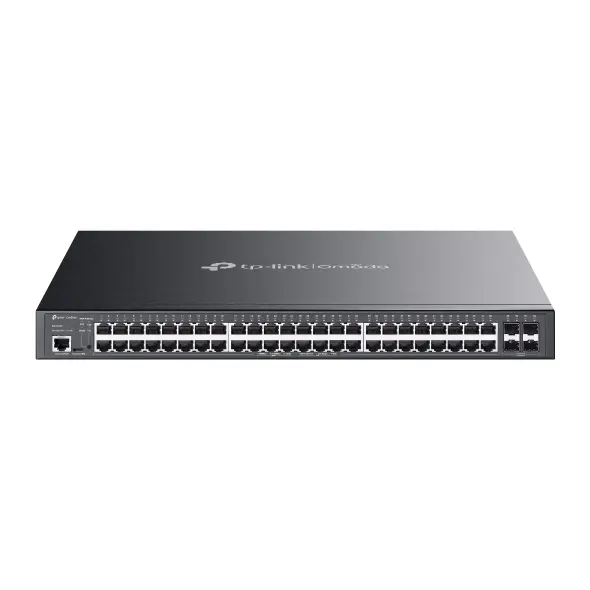
In many Pakistani small‑to‑medium enterprises, the network backbone is often a patchwork of old unmanaged switches, consumer‑grade routers, and ad‑hoc Wi‑Fi extenders. This chaotic setup creates bottlenecks the moment more than a handful of users start streaming video, uploading large design files, or accessing cloud‑based ERP systems. The TP‑Link Omada SG3452P Managed Gigabit Switch solves this problem by providing 48 ports of full‑duplex gigabit connectivity, each of which can be individually configured, monitored, and optimized. With PoE+ support on 48 ports delivering up to 30 W per port, the switch can power IP cameras, VoIP phones, and wireless access points without the need for separate power adapters, which reduces cable clutter and eliminates the risk of power outages affecting critical devices. This is especially valuable in office environments where a single power failure can cripple an entire floor of networked equipment, leading to lost productivity and revenue.
Another common pain point for Pakistani businesses is the lack of visibility into network traffic. When a single device goes rogue—perhaps a misconfigured server or a compromised workstation—it can flood the network with broadcast storms, causing latency spikes and even complete outages. The SG3452P’s built‑in Layer 2+ features such as VLAN tagging, IGMP snooping, and link aggregation give administrators granular control over traffic segmentation. By isolating finance, HR, and production departments into separate VLANs, you prevent a problem in one segment from spilling over into another. Moreover, the switch’s real‑time monitoring via the Omada SDN controller lets you see which ports are consuming the most bandwidth, set alerts for unusual spikes, and quickly pinpoint the source of any issue before it escalates into a full‑blown network failure.
Reliability is not just about performance; it’s also about uptime during extreme weather events that are common in Pakistan, such as monsoon floods and scorching summer heat. The SG3452P is built with a robust metal chassis and an industrial‑grade power supply that can handle voltage fluctuations typical of many Pakistani power grids. Its fan‑controlled cooling system adjusts speed based on internal temperature, ensuring that the switch remains within safe operating limits even when placed in a crowded server rack with limited airflow. This durability translates to fewer hardware replacements, lower total cost of ownership, and peace of mind for IT managers who cannot afford to spend weeks waiting for a broken switch to be repaired.
Finally, the switch’s integration with TP‑Link’s Omada SDN platform brings cloud‑based management to a traditionally on‑premises device. In a country where many IT teams are spread across multiple branches—from Karachi to Lahore to Islamabad—centralized management means you can push configuration changes, firmware updates, and security policies to every SG3452P in the network from a single dashboard. This reduces the need for on‑site visits, cuts travel expenses, and ensures that every branch operates under the same security standards. For businesses looking to scale, the Omada ecosystem provides a clear migration path: you can start with a single 24‑port model and grow to the 48‑port SG3452P without having to relearn a new management interface.
Dealing with Everyday Scenarios
Heat is a relentless adversary for networking equipment in Pakistan’s hot climate, especially during the summer months when temperatures in cities like Faisalabad and Multan routinely exceed 45 °C. The SG3452P’s intelligent thermal design incorporates high‑efficiency fans that ramp up only when internal temperatures cross a safe threshold, thereby conserving energy while still providing adequate cooling. The switch’s chassis is also equipped with ventilation grills that draw in cool air from the surrounding environment, preventing heat buildup even when the device is installed in a densely packed rack. This proactive heat management ensures that packet loss and latency do not spike during peak temperature periods, keeping video conferences, VoIP calls, and cloud backups running smoothly.
Dust is another ubiquitous challenge, particularly in industrial zones and older office buildings where air filtration is minimal. The metal enclosure of the SG3452P is sealed with dust‑resistant gaskets, and the internal components are coated with anti‑corrosion material that protects against the fine particulate matter that can settle on circuit boards. Regular maintenance in a Pakistani setting often involves a simple wipe‑down with a dry cloth, and the switch’s fan filters can be removed and cleaned without tools, extending the lifespan of the device. This design consideration reduces the frequency of hardware failures caused by clogged fans or short‑circuits, which are common complaints among businesses that have previously used cheaper, non‑industrial switches.
Power reliability in Pakistan is notoriously erratic, with frequent brownouts, voltage spikes, and occasional blackouts. The SG3452P includes an internal surge protector and a wide input voltage range that can tolerate fluctuations between 100 V and 240 V. For locations where power outages are a daily occurrence, pairing the switch with an uninterruptible power supply (UPS) ensures that critical network segments—such as security cameras and VoIP phones—remain operational during a blackout. Because the switch supports PoE+, you can power these devices directly from the switch without needing separate power adapters, further simplifying the UPS load calculations and reducing the number of power cords that could become a tripping hazard in cramped office spaces.
Reliability also extends to software stability. The Omada SDN controller runs on a lightweight Java‑based platform that can be hosted on a modest‑spec server or even a virtual machine in the cloud. This flexibility allows Pakistani businesses to choose a deployment model that matches their IT budget—whether that means a local on‑premises server in Karachi’s bustling financial district or a cloud instance hosted on a regional data center in Dubai. The controller’s automatic backup feature saves configuration snapshots every 24 hours, so if a misconfiguration occurs, you can roll back to a known good state within minutes. This safeguard is crucial for organizations that cannot afford prolonged downtime due to human error.
The Good and The Bad
- Pros:
- 48 Gigabit Ethernet ports with full PoE+ support, delivering up to 30 W per port.
- Layer 2+ features including VLANs, link aggregation, and IGMP snooping for traffic optimization.
- Robust metal chassis with industrial‑grade power supply and intelligent fan control for heat and dust resilience.
- Seamless integration with TP‑Link Omada SDN controller for centralized, cloud‑based management.
- Wide input voltage range and built‑in surge protection, ideal for Pakistan’s unstable power grid.
- Scalable architecture that allows easy expansion from smaller models to the SG3452P.
- Cons:
- Higher upfront cost (PKR 150,000) compared to basic unmanaged switches.
- Initial learning curve for administrators unfamiliar with SDN or VLAN configuration.
- Requires a dedicated UPS or backup power solution to fully leverage PoE+ during outages.
- Physical size may demand a larger rack space, which could be a limitation in cramped server rooms.
📚 Related Articles
Final Thoughts
For Pakistani businesses that are serious about building a resilient, high‑performance network, the TP‑Link Omada SG3452P Managed Gigabit Switch offers a compelling blend of hardware durability and software intelligence. Its ability to power a wide range of PoE devices eliminates the need for separate power infrastructure, while the comprehensive Layer 2+ feature set ensures that traffic can be segmented, prioritized, and protected against common network threats. When paired with the Omada SDN controller, the switch becomes a cornerstone of a centrally managed, scalable network that can grow alongside your organization.
If budget constraints are a primary concern, consider the long‑term savings that come from reduced downtime, lower maintenance costs, and the elimination of multiple power adapters. The initial PKR 150,000 investment can be offset by the reduction in hardware failures caused by heat, dust, and power instability—issues that frequently plague cheaper, unmanaged switches in the Pakistani market. Moreover, the ability to remotely manage and update the switch means you can avoid costly on‑site service calls, especially for businesses with multiple branch locations.
In summary, the SG3452P is not just another piece of networking equipment; it is a strategic asset that addresses the unique challenges of operating in Pakistan’s climate, power environment, and business landscape. If you need a switch that can handle dense PoE deployments, provide granular traffic control, and survive the rigors of local conditions, the TP‑Link Omada SG3452P is a worthwhile investment that will pay dividends in reliability, performance, and peace of mind.
🔥 Limited Stock Available in Pakistan
Check Latest TP-Link Omada SG3452P Managed Gigabit Sw Price →