









Hardware Review

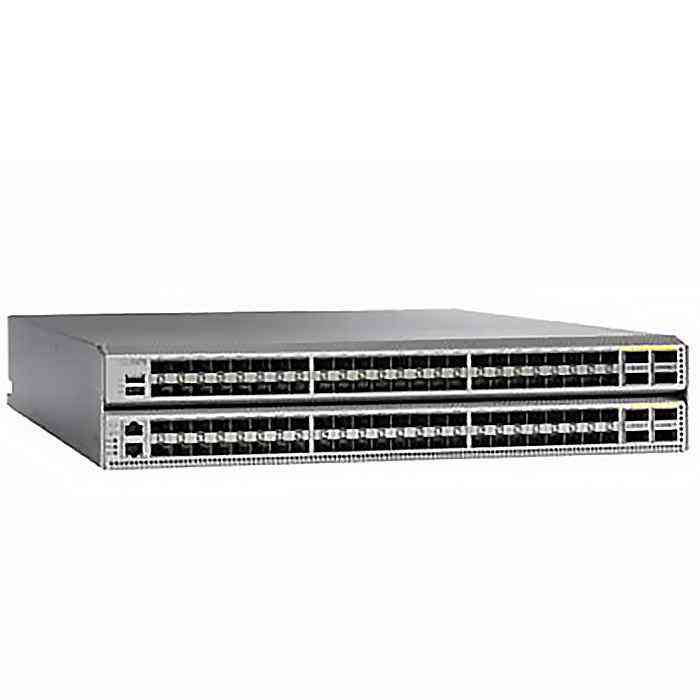
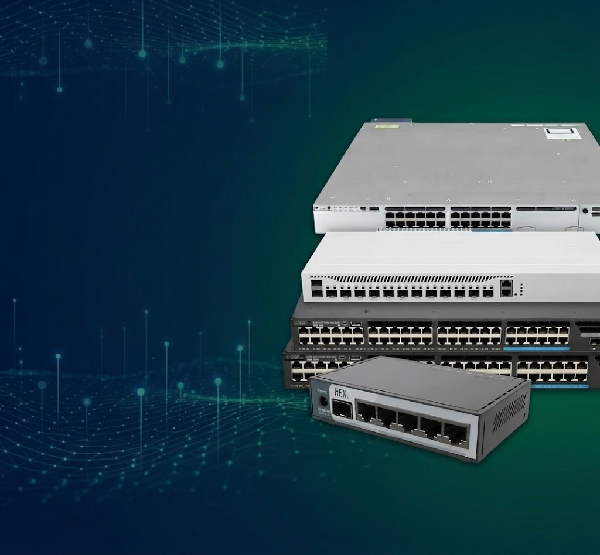
Cisco N3K-C31128PQ-10GE Network Switch – 10GE, Nexus 3000 Series
PKR 754000
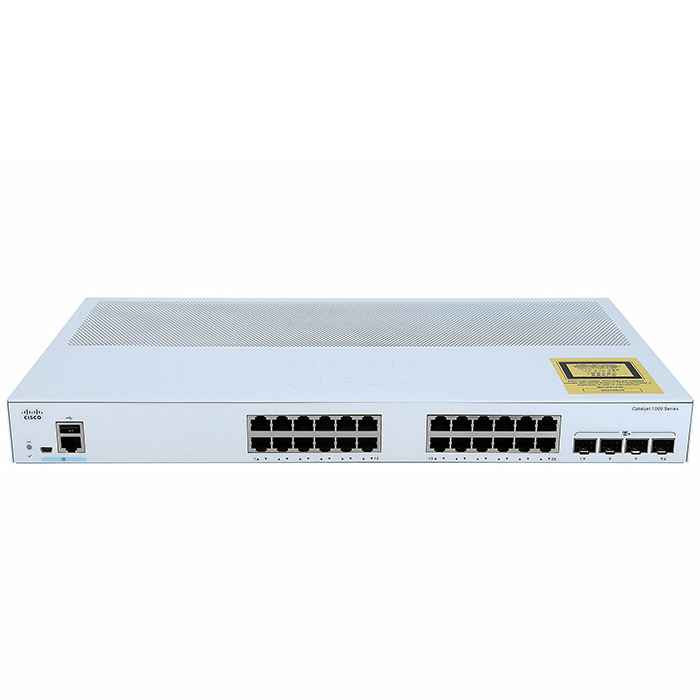
Cisco C1000-24T-4X-L Network Switch – 24x Gigabit Ethernet, 4x 10-Gigabit SFP+
PKR 301600
📚 Related Articles
The Verdict (TL;DR)
The Cisco N3K-C31128PQ-10GE dominates high‑performance data‑center environments with its superior throughput, modularity, and advanced Layer‑2/3 features, albeit at a significantly higher price. For small‑to‑medium enterprises, branch offices, or educational campuses where budget constraints and simplicity are paramount, the Cisco C1000-24T-4X-L offers ample Gigabit capacity and reliable 10‑Gigabit uplinks at a fraction of the cost. Ultimately, choose the Nexus 3000 if you need future‑proof scalability and data‑center‑grade resilience; otherwise the Catalyst 1000 series delivers excellent value for typical enterprise networking needs.
Why This Comparison Matters in Pakistan
Pakistan’s ICT sector is undergoing rapid transformation, driven by a surge in e‑commerce, fintech, and cloud‑based services. Companies are increasingly looking to modernize legacy networks that were originally built on copper‑centric, unmanaged switches. In this climate, decision‑makers must weigh not only the raw performance of a switch but also its ability to survive the unique challenges of the Pakistani market—frequent power interruptions, high ambient temperatures, and a shortage of highly trained networking staff in many regions. A well‑chosen switch can reduce operational expenditures, improve uptime, and enable businesses to compete globally, while a poor choice can lock organizations into costly upgrades or expose them to frequent outages.
The regulatory environment also plays a role. The Pakistan Telecommunication Authority (PTA) has been encouraging the adoption of IPv6 and advanced security frameworks. Switches that support robust ACLs, MACsec encryption, and automated provisioning via Cisco DNA Center are better positioned to comply with upcoming mandates. The Nexus 3000 series, with its full Layer‑3 routing, VXLAN support, and extensive programmability, aligns closely with these forward‑looking policies. Meanwhile, the Catalyst 1000 series, though more limited in advanced features, still provides essential security capabilities such as port‑security, DHCP snooping, and basic IPv6 support, making it a viable entry point for organizations just beginning their digital transformation.
Finally, the economics of scale cannot be ignored. Pakistan’s import duties on networking equipment are substantial, and the total cost of ownership (TCO) often includes not just the purchase price but also the cost of spare parts, warranty extensions, and professional services. The price differential between the two models—PKR 754,000 versus PKR 301,600—reflects not only hardware capabilities but also the level of support Cisco typically provides for each product line. Enterprises that anticipate rapid growth, multiple data‑center sites, or the need for sophisticated network automation will find the higher upfront investment in the Nexus 3000 justified. Conversely, small businesses, schools, and government offices that prioritize cost‑effectiveness and ease of deployment will benefit from the Catalyst 1000’s straightforward management model and lower lifecycle expenses.
Detailed Specifications Comparison
| Feature | Cisco N3K-C31128PQ-10GE (Nexus 3000) | Cisco C1000-24T-4X-L (Catalyst 1000) | Comments |
|---|---|---|---|
| Form Factor | 1‑RU Fixed‑Configuration Switch | 1‑RU Fixed‑Configuration Switch | Both are compact 1‑RU devices, but the Nexus is engineered for high‑density data‑center racks. |
| Port Count – Ethernet | 48 × 1/10 GbE (combo copper/SFP) + 4 × 10 GbE SFP+ | 24 × 10/100/1000 BASE‑T RJ‑45 | The Nexus offers double the number of ports and native 10 GbE options. |
| Uplink Modules | 4 × 10 GbE SFP+ (dedicated) | 4 × 10 GbE SFP+ (dedicated) | Both provide the same number of 10 GbE uplinks; Nexus adds optional 40 GbE via QSFP+ in some configurations. |
| Switching Capacity | 1.28 Tbps (non‑blocking) | 176 Gbps (non‑blocking) | The Nexus delivers over seven times the fabric capacity, essential for data‑center workloads. |
| Forwarding Rate | 950 Mpps | 131 Mpps | Higher forwarding rate translates to lower latency under heavy traffic. |
| Layer Support | Layer 2/3, VXLAN, OSPF, BGP, EVPN, LACP, DCB, FCoE | Layer 2, limited Layer 3 (static routing, RIP), basic LACP | Data‑center‑grade features are exclusive to the Nexus series. |
| Power Supply | Dual redundant 650 W AC or 800 W DC (hot‑swap) | Single 350 W AC (non‑redundant) | Redundant PSUs give the Nexus superior resilience during load‑shedding. |
| Operating Temperature | 0 °C – 45 °C (operational) | 0 °C – 45 °C (operational) | Both meet industry standards, but the Nexus’s chassis is designed for tighter airflow in dense racks. |
| Management Interfaces | CLI, Cisco NX‑OS, Cisco DNA Center, REST API, SNMPv3, NetFlow, sFlow | CLI, Cisco IOS‑Lite, web GUI, SNMPv2/v3, Cisco Business Dashboard | Nexus offers richer programmability for automation; Catalyst is simpler for small teams. |
| Security Features | MACsec, ACLs, RADIUS/TACACS+, 802.1X, TrustSec, Port‑Security, IP Source Guard | Port‑Security, 802.1X, DHCP Snooping, Dynamic ARP Inspection | Both provide essential security, but Nexus adds data‑center‑grade encryption. |
| Warranty & Support | 3‑year Limited Hardware Warranty, Cisco SMARTnet optional | 3‑year Limited Hardware Warranty, Cisco SMARTnet optional | Warranty terms are identical; support cost differences arise from feature complexity. |
| Price (PKR) | 754,000 | 301,600 | Price reflects the performance and feature gap between the two platforms. |
Design & Build Quality Face-Off
The Cisco N3K‑C31128PQ‑10GE is built with a steel chassis that meets the rigorous standards of modern data‑center environments. Its front panel features a clean, modular layout where each Ethernet port is clearly labeled, and the four 10‑Gigabit SFP+ uplinks are positioned for easy access. The switch incorporates a front‑panel status LCD that displays temperature, power consumption, and port LEDs, allowing administrators to spot issues at a glance without needing a console connection. Internally, the device uses a high‑density ASIC designed for low latency and high throughput, and the dual redundant power supplies are hot‑swappable, meaning a failed PSU can be replaced without interrupting traffic—a critical requirement for 24/7 operations.
In contrast, the Cisco C1000‑24T‑4X‑L adopts a more modest construction suited for office and branch‑office deployments. Its plastic‑reinforced metal frame is lighter, which eases mounting on wall brackets or low‑profile rack shelves. The 24 copper RJ‑45 ports are grouped in three rows of eight, with the four SFP+ uplinks placed on the right side for straightforward cabling to a core or aggregation layer. The device lacks a front‑panel LCD; instead,