










ASUS ROG Courser Core SL3 vs Boost Dominion Ergonomic Pakistan Comparison 2024

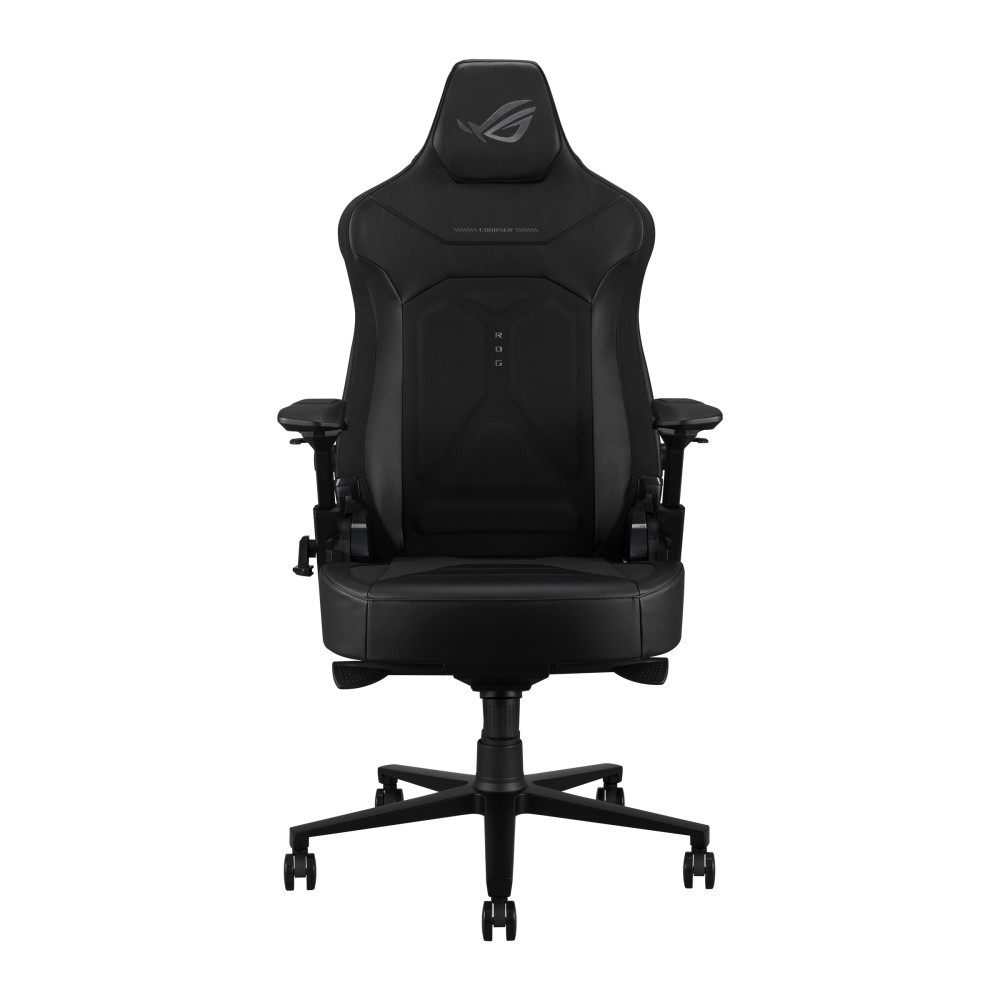
ASUS ROG Courser Core SL302C Gaming Chair – Racing Style Ergonomic Chair with Dynamic Synchronized Recline, 4D Armrests & Adjustable Lumbar Support
PKR 140000
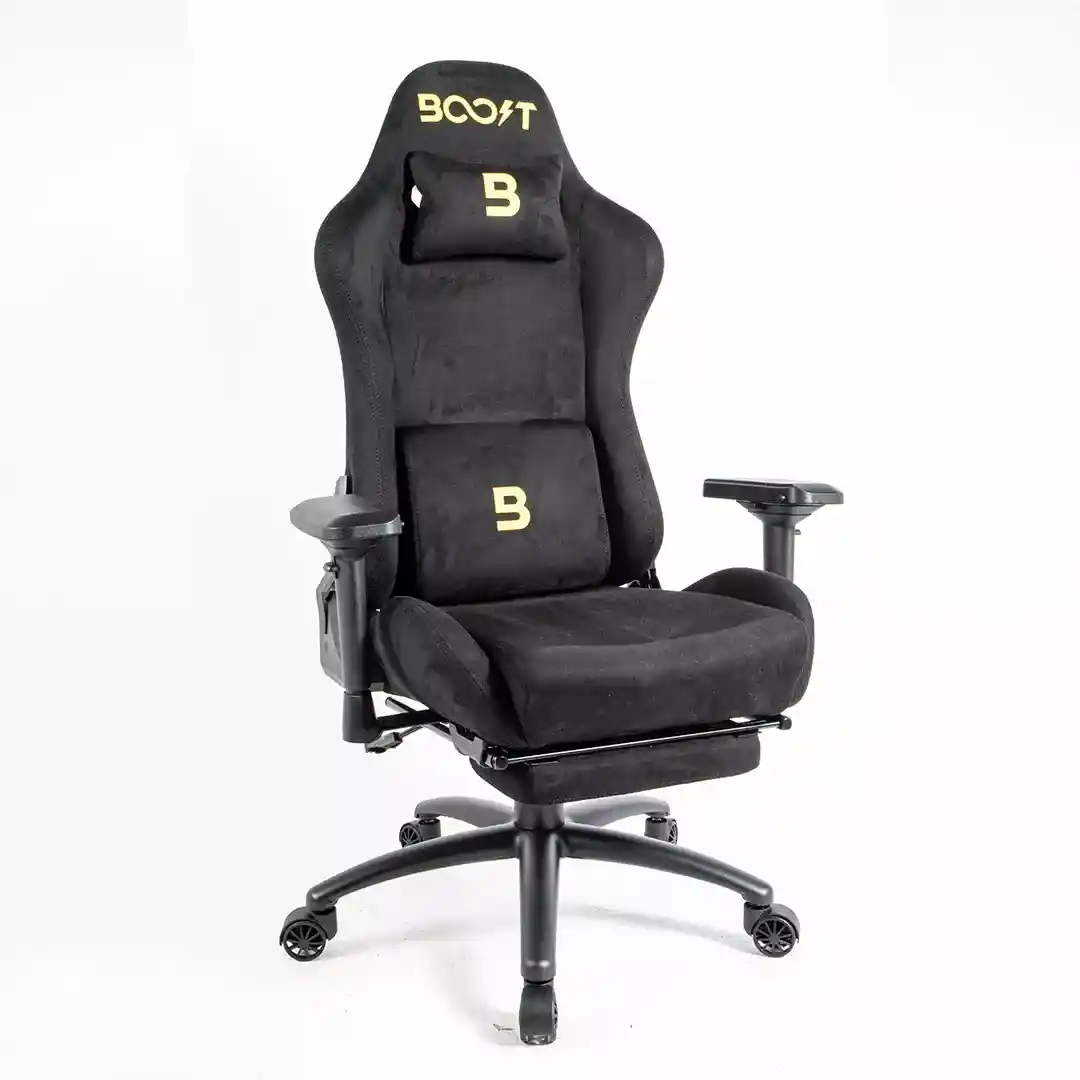
Boost Dominion Ergonomic Chair Upholstery Suede Fabric With Footrest Black
PKR 57000
The Verdict (TL;DR)
The ASUS ROG Courser Core SL302C wins on premium ergonomics, advanced recline mechanics, and build quality, making it the clear choice for serious gamers who demand longevity. Boost Dominion offers solid comfort at a fraction of the price, suitable for casual players or budget‑conscious users. If you can stretch your budget, the ROG model delivers a future‑proof experience that justifies its higher cost.
Why This Comparison Matters in Pakistan
Pakistan’s gaming ecosystem has exploded over the past five years, driven by affordable high‑performance PCs, the rise of esports tournaments, and a youthful population hungry for immersive experiences. Yet the market is still fragmented, with many local retailers importing a mix of high‑end and budget chairs without clear guidance on which product truly meets the needs of Pakistani gamers. A detailed side‑by‑side analysis helps consumers cut through the hype, understand real‑world value, and make an investment that will survive the rigors of long‑hour sessions in a country where electricity outages and heat waves are part of daily life.
The economic reality in Pakistan also influences purchasing decisions. While the average disposable income has risen, a large segment of the population still prioritises cost‑effectiveness. This creates a tension between the desire for premium, feature‑rich equipment and the necessity to stay within a realistic budget. By juxtaposing a flagship‑level chair priced at PKR 140,000 against a mid‑range alternative at PKR 57,000, we expose the trade‑offs that matter most: adjustability, durability, and the ability to cope with local climate conditions.
Finally, the cultural context cannot be ignored. Many Pakistani households double‑up living spaces for work, study, and gaming, meaning a chair must not only perform well but also blend aesthetically with a variety of interior styles. Moreover, the prevalence of power‑saving habits—such as using fans instead of air‑conditioning—places additional demands on materials that must stay comfortable without excessive heat buildup. This comparison therefore serves as a practical roadmap for anyone seeking a chair that will thrive in the unique Pakistani environment.
Detailed Specifications Comparison
| Feature | ASUS ROG Courser Core SL302C | Boost Dominion Ergonomic Chair |
|---|---|---|
| Price (PKR) | 140,000 | 57,000 |
| Seat Width | 560 mm | 540 mm |
| Seat Depth | 560 mm | 540 mm |
| Height Adjustment Range | 460 mm – 530 mm | 450 mm – 520 mm |
| Weight Capacity | 120 kg | 100 kg |
| Base Material | Aluminium alloy, 5‑star steel base | Steel reinforced base |
| Upholstery | Premium PU leather with anti‑sweat coating | Suede‑like fabric, breathable |
| Armrest Type | 4‑D adjustable (height, width, depth, pivot) | Fixed 2‑D (height & tilt) |
| Recline Mechanism | Dynamic synchronized recline 90°–135°, lockable positions | Manual tilt lock, 90°–110° range |
| Lumbar Support | Adjustable lumbar pillow with tension dial | Fixed lumbar curve |
| Footrest | No built‑in footrest (optional accessory) | Integrated retractable footrest |
| Warranty | 2 years limited | 1 year limited |
Design & Build Quality Face-Off
The ASUS ROG Courser Core SL302C embraces a racing‑car aesthetic that is instantly recognizable on any gaming setup. Its silhouette features sharp lines, a high‑gloss PU leather finish, and subtle ROG branding that glows under RGB lighting. The chair’s frame is constructed from an aluminium alloy skeleton, providing a rigid yet lightweight core that resists flex under heavy loads. The five‑star steel base, equipped with double‑ball bearings, distributes weight evenly and offers a stable footprint even on carpeted floors. The 4‑D armrests are encased in a soft‑touch rubber coating, allowing gamers to fine‑tune height, width, depth, and angle without compromising durability. The adjustable lumbar support is housed in a dedicated channel, enabling precise tension control that can be tightened or loosened on the fly.
In contrast, the Boost Dominion Ergonomic Chair adopts a more subdued, office‑style design that leans heavily on practicality. Its frame is built from reinforced steel, which, while sturdy, lacks the premium feel of aluminium and can produce a faint metallic echo when shifting positions. The suede‑like fabric upholstery is breathable and softer to the touch, reducing heat buildup during long sessions, but it is also more susceptible to staining and wear in humid environments. The integrated footrest slides out from beneath the seat, a clever space‑saving feature that appeals to gamers who enjoy a relaxed recline. However, the armrests are fixed in two dimensions, limiting the ability to customize for different body types, and the lumbar support is a static curve that cannot be adjusted for personal preference.
Both chairs employ high‑density foam padding, yet the density differs noticeably. The ROG model utilizes a dual‑layer foam system: a firm base layer for structural support topped with a softer memory‑foam veneer that conforms to the sitter’s shape. This combination reduces pressure points and encourages healthy circulation. The Boost Dominion relies on a single‑layer high‑resilience foam that offers adequate comfort but may flatten over time, especially under the weight of heavier users. When evaluating build quality, the ROG chair’s modular components—such as detachable armrests and replaceable lumbar pillow—add to its long‑term serviceability, whereas the Dominion’s more monolithic construction can make repairs more cumbersome.